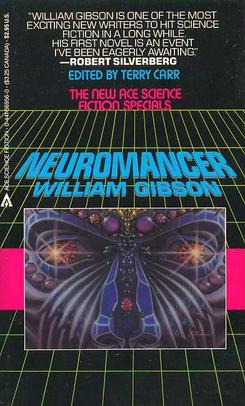
The Structure of Scientific Revolutions by Thomas S.Kuhn
Free Plan • From Free • Best for: Ideal for students, academics, and professionals interested in understanding scientific change and innovation.
description The Structure of Scientific Revolutions by Thomas S.Kuhn Overview
Kuhn's seminal work challenges traditional views on scientific progress, introducing the concept of 'paradigm shifts' to explain how scientific revolutions occur. It has had a profound impact on philosophy of science and continues to be widely read and cited in academic circles.
info The Structure of Scientific Revolutions by Thomas S.Kuhn Specifications
| Isbn | 978-0226458143 |
| Author | Thomas S. Kuhn |
| Edition | 5th (2012) |
| Publisher | University of Chicago Press |
| Publication Year | 1962 |
balance The Structure of Scientific Revolutions by Thomas S.Kuhn Pros & Cons
- Introduces groundbreaking concept of paradigm shifts
- Influential in philosophy of science
- Challenges traditional views on scientific progress
- Continues to be widely read and cited
- May oversimplify the complexity of scientific change
- Limited practical application outside academic circles
- Does not fully address all philosophical challenges it raises
help The Structure of Scientific Revolutions by Thomas S.Kuhn FAQ
What is a paradigm shift?
A paradigm shift refers to a fundamental change in the basic concepts and experimental practices of a scientific discipline.
How has this book influenced other fields?
It has inspired discussions in sociology, psychology, and even business strategy beyond its original scope in science.
Is this book still relevant today?
Absolutely, it continues to be a cornerstone text for understanding scientific change and innovation.
explore Explore More
Similar to The Structure of Scientific Revolutions by Thomas S.Kuhn
See all arrow_forward

Reviews & Comments
Write a Review
Be the first to review
Share your thoughts with the community and help others make better decisions.