
description Banff, Canada Overview
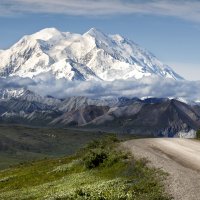
Nestled in the heart of the Canadian Rockies, Banff National Park is a paradise for outdoor enthusiasts. The town of Banff serves as a charming base for exploring turquoise glacial lakes like Lake Louise and Moraine Lake. In winter, it is a world-class skiing destination, while summer offers endless hiking trails and wildlife viewing opportunities. The sheer scale of the mountains and the pristine wilderness make it a bucket-list destination for anyone who loves nature.
It is a place where you can find both extreme adventure and quiet, reflective moments in the great outdoors.
info Banff, Canada Specifications
| Location | Alberta, Canada |
| Total Area | 6,641 km² |
| Established | 1885 (Canada's oldest national park) |
| Trail Count | Over 1,600 km of maintained trails |
| Park Entry Fee | From $10.50 CAD/day (Discovery Pass) |
| Elevation Range | 1,400 - 3,600 meters |
| Main Attractions | Lake Louise, Moraine Lake, Banff Townsite, Banff Gondola, Cave and Basin |
| Winter Ski Resorts | Sunshine Village, Norquay, Lake Louise Ski Resort |
| Nearest Major Airport | Calgary International Airport (YYYC), 126 km away |
balance Banff, Canada Pros & Cons
- Spectacular turquoise glacial lakes including Lake Louise and Moraine Lake with iconic mountain scenery
- Year-round outdoor activities from skiing and snowboarding in winter to hiking and wildlife viewing in summer
- UNESCO World Heritage designation as part of the Canadian Rocky Mountain Parks
- Well-developed tourism infrastructure with quality accommodations, restaurants, and visitor services
- Diverse wildlife including elk, deer, bighorn sheep, and occasional bear sightings
- Access to the stunning Icefields Parkway connecting Banff to Jasper National Park
- Extremely crowded during peak summer months (July-August) requiring advance reservations
- Significantly higher cost compared to other Canadian destinations for accommodations and activities
- Limited parking at popular attractions often requires early arrival or shuttle reservations
- Weather highly variable with sudden changes especially at higher elevations
- Remote location means long drives from major international airports (Calgary is 1.5 hours away)
help Banff, Canada FAQ
What is the best time to visit Banff National Park?
Summer (June-August) offers the warmest weather and full trail access but is most crowded. September-October provides fewer crowds, fall colors, and pleasant temperatures. Winter is ideal for skiing with spectacular snowy scenery.
Do I need a park pass to visit Banff?
Yes, a Parks Canada Discovery Pass is required for all visitors to Banff National Park. The daily pass is currently $10.50 CAD per person, or an annual Discovery Pass costs $145.60 CAD and covers all national parks.
How many days do I need to properly explore Banff?
A minimum of 3-4 days is recommended to see the main highlights like Lake Louise, Moraine Lake, and Banff townsite. For full exploration including Icefields Parkway and multiple hiking trails, plan 5-7 days.
Is Banff suitable for families with young children?
Banff offers family-friendly activities including easy interpretive trails, boat tours on Lake Louise, the Banff Gondola, and resort swimming facilities. However, some popular viewpoints require hiking and may not be suitable for toddlers.
What is Banff, Canada?
How good is Banff, Canada?
How much does Banff, Canada cost?
What are the best alternatives to Banff, Canada?
How does Banff, Canada compare to Jasper National Park (Canada)?
Is Banff, Canada worth it in 2026?
What are the key specifications of Banff, Canada?
- Location: Alberta, Canada
- Total Area: 6,641 km²
- Established: 1885 (Canada's oldest national park)
- Trail Count: Over 1,600 km of maintained trails
- Park Entry Fee: From $10.50 CAD/day (Discovery Pass)
- Elevation Range: 1,400 - 3,600 meters
explore Explore More
Similar to Banff, Canada
See all arrow_forward

Reviews & Comments
Write a Review
Be the first to review
Share your thoughts with the community and help others make better decisions.


