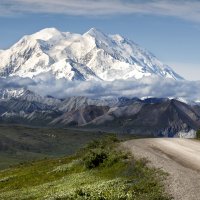
description Canadian Rockies Overview
The Canadian Rockies, spanning Alberta and British Columbia, are renowned for their dramatic peaks, turquoise glacial lakes (like Lake Louise and Moraine Lake), and abundant wildlife. Banff and Jasper National Parks offer extensive hiking trails, ranging from easy lakeside strolls to challenging climbs. The region is also a world-class skiing destination in winter. The sheer scale of the landscape and the pristine wilderness create a truly awe-inspiring experience.
Visitors can expect to encounter bears, elk, and other wildlife, making it a truly immersive natural experience.
info Canadian Rockies Specifications
| Climate | Subalpine with cold winters (avg -15°C) and mild summers (avg 22°C daytime) |
| Location | Alberta and British Columbia, Canada |
| Total Area | 24,647 sq km (combined Banff, Jasper, Kootenay, and Yoho National Parks) |
| Major Peaks | Mount Robson (3,954m), Mount Columbia (3,747m), Mount Forbes (3,267m) |
| Peak Season | July through August |
| Famous Lakes | Lake Louise, Moraine Lake, Peyto Lake, Maligne Lake, Emerald Lake |
| Unesco Status | World Heritage Site (designated 1984) |
| Annual Visitors | 4+ million (Banff alone receives 3-4 million annually) |
| Elevation Range | 1,350m to 3,954m at Mount Columbia |
| Main Access Points | Banff Town, Jasper Town, Lake Louise Village, Field, BC |
balance Canadian Rockies Pros & Cons
- Dramatic alpine scenery with towering peaks, glaciers, and iconic turquoise lakes like Lake Louise and Moraine Lake
- Two UNESCO World Heritage Sites (Banff and Jasper National Parks) offering protected wilderness and world-class infrastructure
- Exceptional wildlife viewing opportunities including elk, moose, bighorn sheep, bears, and mountain goats
- Over 1,700 km of maintained hiking trails catering to all skill levels from easy walks to challenging backcountry routes
- Well-developed tourism infrastructure with visitor centers, campgrounds, and accessible viewpoints
- Year-round outdoor activities including hiking, skiing, wildlife watching, and scenic drives
- Peak season (July-August) brings heavy crowds at popular spots like Lake Louise, requiring early arrival
- Remote location and limited cell service in many areas creates challenges for navigation and emergencies
- High altitude (1,500-3,000m) can cause altitude sickness for visitors arriving from sea level
- Expensive accommodations and park fees; peak summer hotels can exceed $300/night in Banff
- Unpredictable weather with rapid changes; sudden storms can occur even in summer months
- Some trails require 4x4 vehicles or lengthy hikes to access, limiting accessibility
help Canadian Rockies FAQ
What is the best time to visit the Canadian Rockies for hiking?
Late June through mid-September offers the best hiking conditions with all trails snow-free. July-August has the warmest weather but largest crowds. September provides fewer people and stunning fall foliage. Spring (May-June) means more snow at higher elevations.
Do I need a car to visit Banff and Jasper National Parks?
Yes, a car is strongly recommended. Public transit is extremely limited within the parks. A vehicle allows access to trailheads, viewpoints, and scattered amenities. Renting a car from Calgary or Edmonton is the most practical option for most visitors.
Are reservations required for campgrounds and popular trails?
Parks Canada requires reservations for backcountry camping and some frontcountry campgrounds through their online system. Day hiking does not require permits, but popular trails like Plain of Six Glaciers and Lake Agnes fill quickly. Parks passes must be purchased at entry gates.
What wildlife safety precautions should I take?
Carry bear spray (mandatory in some areas), make noise on trails, keep 100m from wildlife and never block their movement. Store food properly in bear-proof bins. Never feed animals. Travel in groups and stay on designated trails, especially in bear country.
How do I get to the Canadian Rockies from major airports?
Fly into Calgary International Airport (YYYC), the closest major hub, then drive 1.5 hours to Banff. Edmonton International Airport (YEG) is about 4 hours from Jasper. Rental cars are available at both airports. Shuttle services operate seasonally between Calgary and Banff.
What is Canadian Rockies?
How good is Canadian Rockies?
What are the best alternatives to Canadian Rockies?
What is Canadian Rockies best for?
Nature enthusiasts, hikers, photographers, and outdoor adventure seekers looking for world-class mountain scenery with excellent infrastructure and wildlife viewing in a protected wilderness setting.
How does Canadian Rockies compare to Banff, Canada?
Is Canadian Rockies worth it in 2026?
What are the key specifications of Canadian Rockies?
- Climate: Subalpine with cold winters (avg -15°C) and mild summers (avg 22°C daytime)
- Location: Alberta and British Columbia, Canada
- Total Area: 24,647 sq km (combined Banff, Jasper, Kootenay, and Yoho National Parks)
- Major Peaks: Mount Robson (3,954m), Mount Columbia (3,747m), Mount Forbes (3,267m)
- Peak Season: July through August
- Famous Lakes: Lake Louise, Moraine Lake, Peyto Lake, Maligne Lake, Emerald Lake
explore Explore More
Similar to Canadian Rockies
See all arrow_forwardReviews & Comments
Write a Review
Be the first to review
Share your thoughts with the community and help others make better decisions.