description Corona Australis Dark Cloud Overview
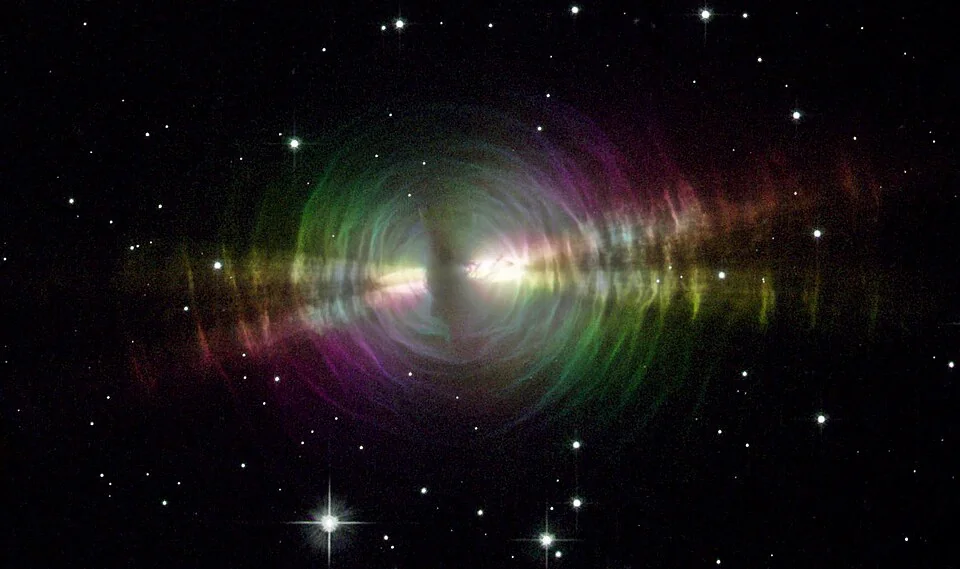
The Corona Australis Dark Cloud is a dense molecular cloud located in the southern constellation of Corona Australis. It is one of the closest known star-forming regions to our solar system, making it a frequent subject of astronomical study. The cloud is characterized by its dark, dust-rich composition, which obscures background light and hosts embedded young stellar objects. It also features reflection nebulae that scatter the light from newly formed stars, creating visually distinct cosmic structures.
help Corona Australis Dark Cloud FAQ
Where is the Corona Australis Dark Cloud located?
The Corona Australis Dark Cloud is located in the southern constellation of Corona Australis. It is one of the closest star-forming regions to our solar system, lying at a distance of approximately 430 light-years away. This proximity makes it a frequent subject for astronomers studying young stellar objects.
What kind of celestial objects are found inside the Corona Australis Dark Cloud?
This molecular cloud is highly active, containing numerous embedded young stars and T Tauri variables. It is particularly famous for its reflection nebulae, such as NGC 6729, which scatter the light of these newly formed stars. Astronomers also observe Herbig-Haro objects jetting from the polar regions of infant stars within the cloud.
How does the Corona Australis Dark Cloud appear in astrophotography?
In astrophotography, the cloud appears as a complex mix of dark, obscuring dust lanes and bright blue reflection nebulae. Because it is a dark cloud, its dense dust blocks the light from background stars, creating striking, high-contrast silhouettes. Long-exposure images reveal intricate blue and yellowish hues near its embedded protostars.
Who discovered the star-forming activity in the Corona Australis region?
The reflection nebulae in the region were cataloged in the 19th century, notably by astronomer Edward Emerson Barnard, who famously mapped dark nebulae. Modern understanding of its active star formation was later expanded through infrared and millimeter-wave observations, which can pierce the dense molecular gas. Instruments like the Atacama Large Millimeter/submillimeter Array (ALMA) have recently provided detailed views of its protostellar jets.
explore Explore More
Similar to Corona Australis Dark Cloud
See all arrow_forward


Reviews & Comments
Write a Review
Be the first to review
Share your thoughts with the community and help others make better decisions.