
description DPA 4063 Overview
The DPA 4063 is a small, omnidirectional lavalier microphone valued for its exceptional sound quality and robust performance. Constructed with a gold-sputtered nickel diaphragm and beryllium alloy capsule, it’s ideal for broadcast professionals, filmmakers, and musicians requiring reliable audio capture in challenging environments. It operates on 48V phantom power and handles high sound pressure levels effectively.
help DPA 4063 FAQ
What is the difference between the DPA 4063 and the DPA 4061?
The primary difference lies in their sensitivity and SPL handling; the DPA 4063 is specifically designed for loud environments and can handle sound pressure levels up to 138 dB before clipping. The 4061 is slightly more sensitive and better suited for standard speech and softer acoustic environments. The 4063 is ideal for placing directly on loud instruments like drums or brass.
How does the DPA 4063 connect to a standard wireless transmitter system?
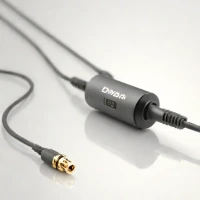
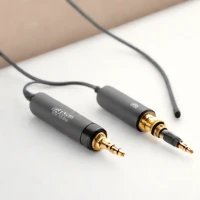
The DPA 4063 utilizes a MicroDot connector on the cable, which is a proprietary DPA standard. To connect it to popular wireless systems like Sennheiser or Shure, you must purchase a specific DPA MicroDot-to-TA3F or MicroDot-to-TA4F adapter. This modular system makes the microphone incredibly versatile across different wireless brands.
Does the DPA 4063 require phantom power to operate?
Like all condenser microphones, the DPA 4063 requires power, specifically 48V phantom power, though it can operate on as little as 5V via a wireless transmitter. It is a pre-polarized microphone, meaning the capsule itself does not require an external polarizing voltage. The power is strictly necessary to run the internal impedance converter built into the tiny housing.
What accessories are included with the DPA 4063 lavalier?
The DPA 4063 typically comes packaged in a small, sturdy box with essential mounting accessories. This includes a variety of soft rubber microphone holders, sticky silicone covers for hiding the mic under clothing, and a miniature windshield for outdoor use. These accessories are crucial for eliminating clothing rustle and wind noise during field recording.
explore Explore More


Reviews & Comments
Write a Review
Be the first to review
Share your thoughts with the community and help others make better decisions.


