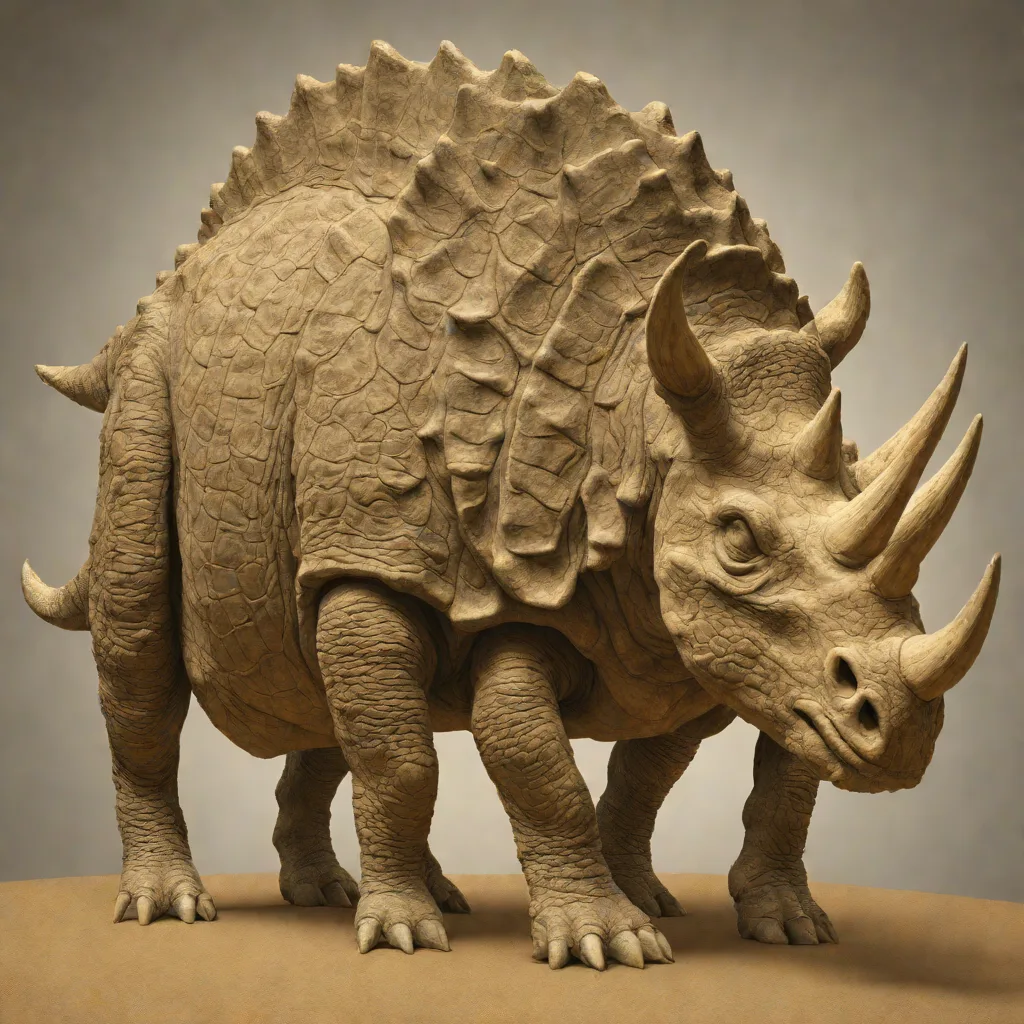
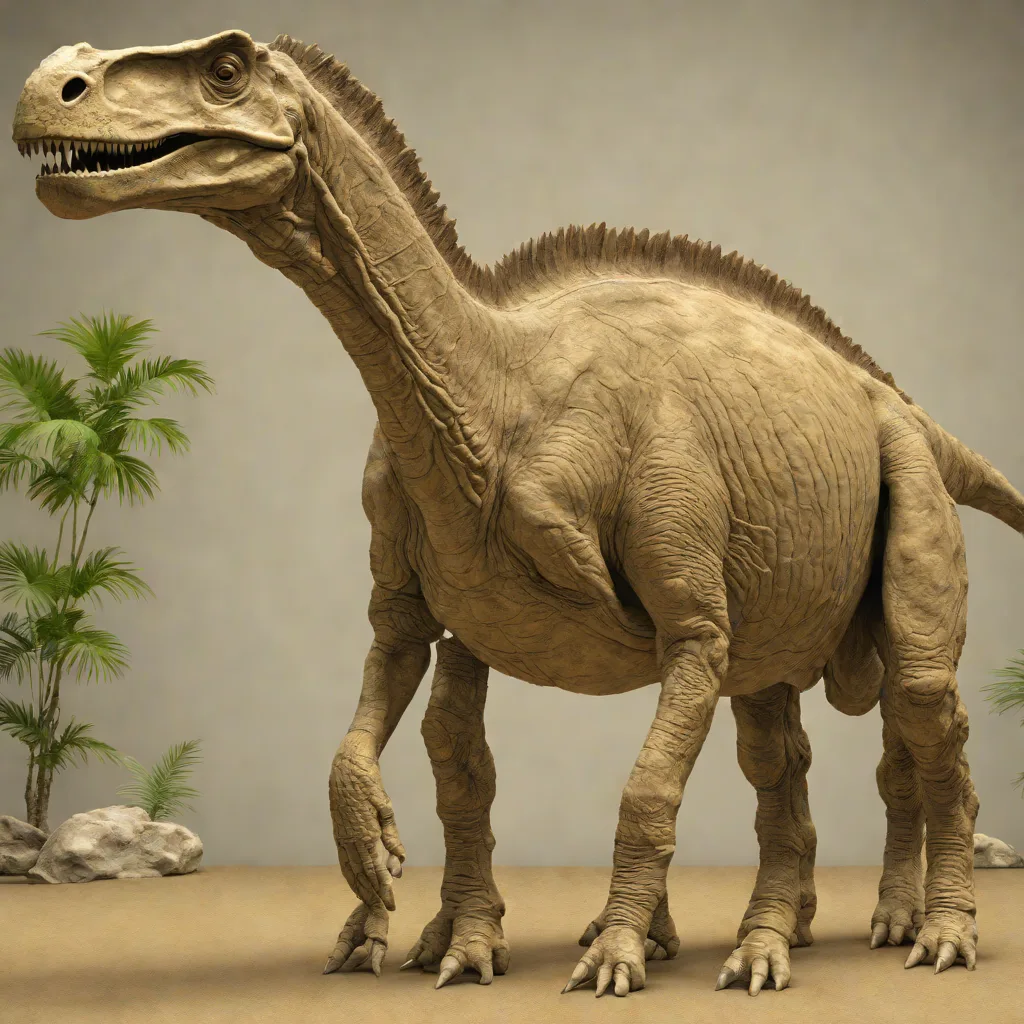
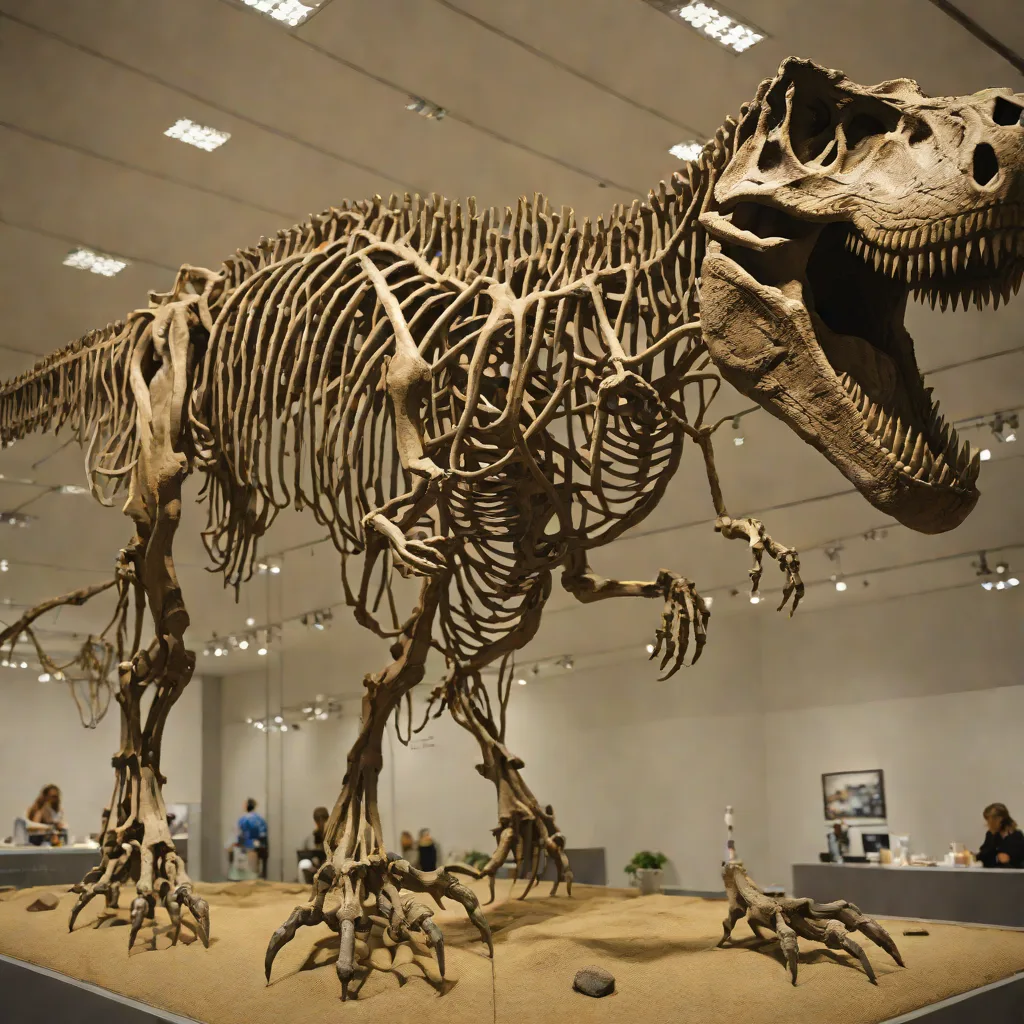
description Iguanodon bernissartensis Overview
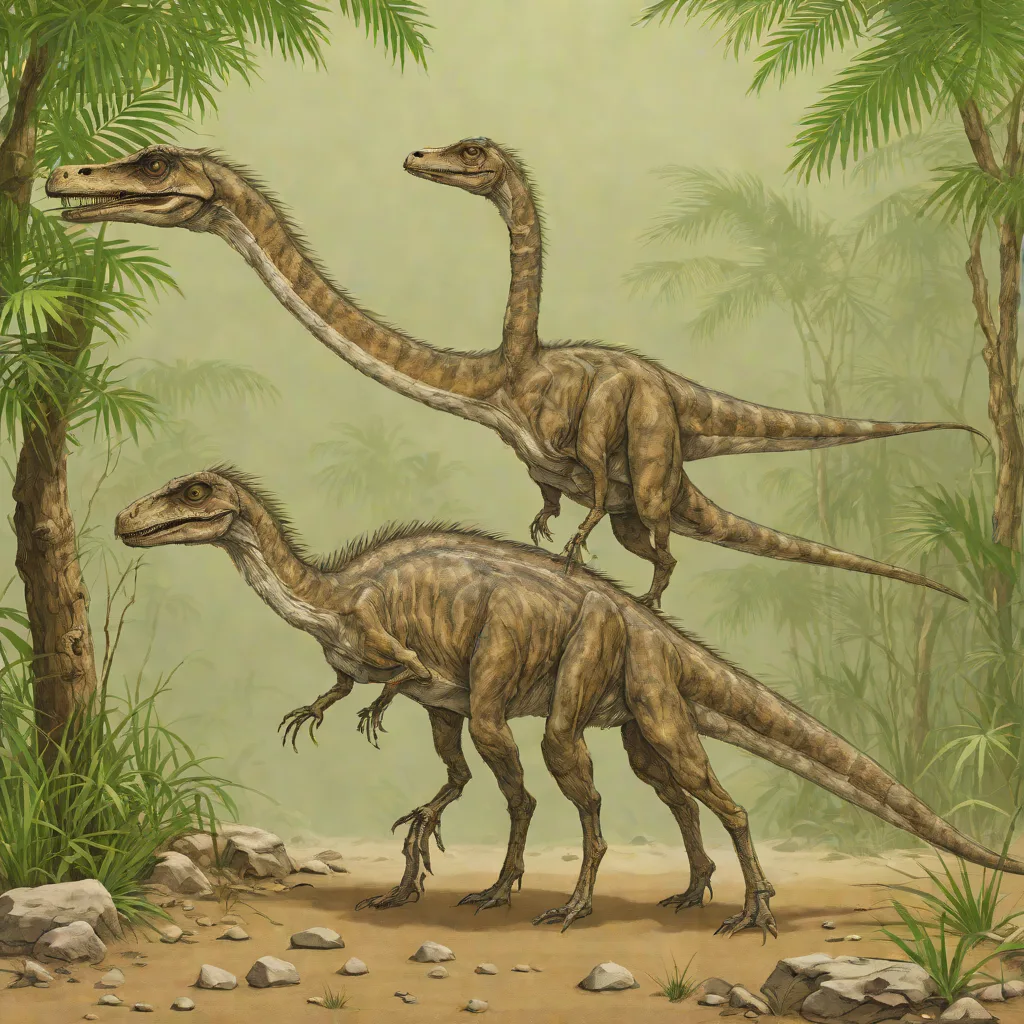
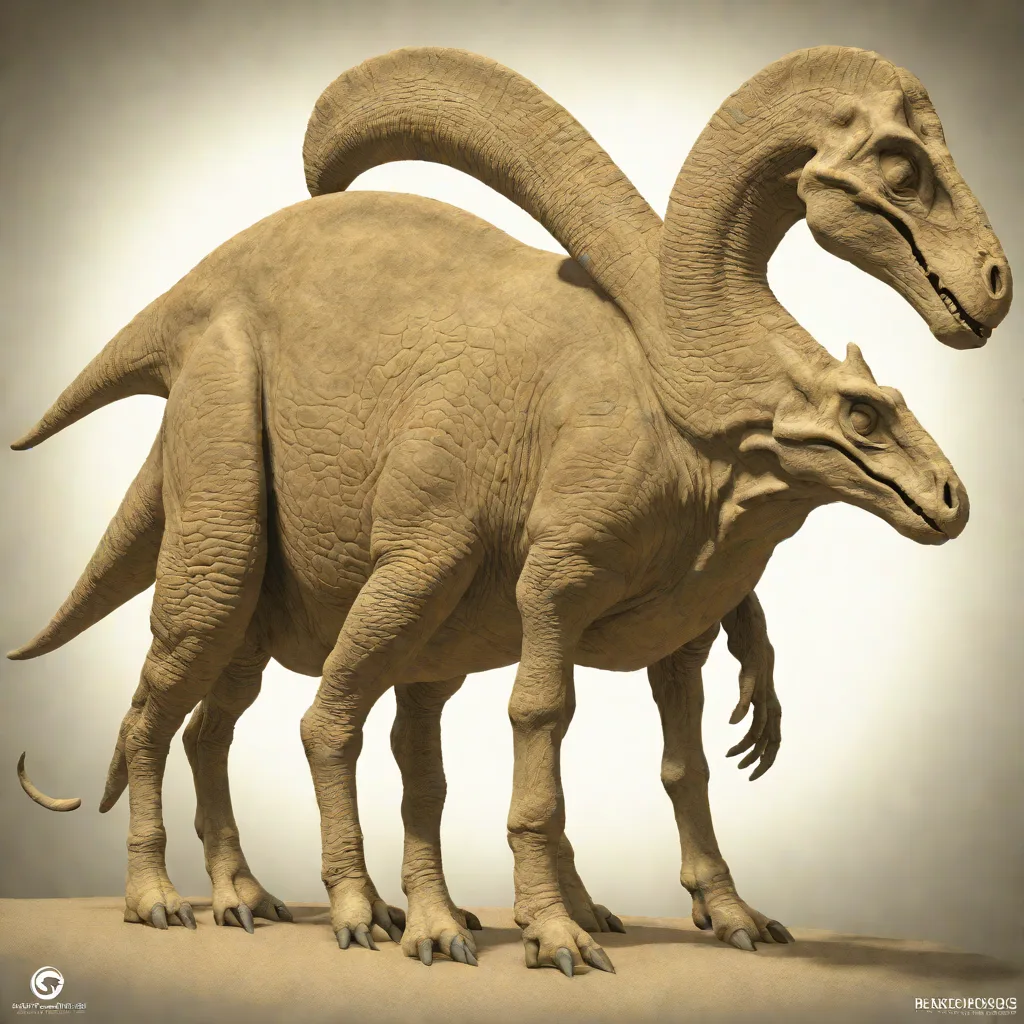
Iguanodon bernissartensis is a large herbivorous ornithopod dinosaur from the Early Cretaceous, known from exceptionally complete fossils discovered in a coal mine at Bernissart, Belgium, in 1878. The find included dozens of associated skeletons and strongly influenced early scientific reconstructions of dinosaurs. The animal had a robust body, a toothless beak with batteries of grinding teeth, weight-bearing fingers, and a prominent conical thumb spike whose exact behavioral function remains uncertain.
help Iguanodon bernissartensis FAQ
Why did early reconstructions show Iguanodon standing like a kangaroo?
Nineteenth-century scientists initially interpreted Iguanodon as an upright, tail-dragging animal. Later anatomical work showed that Iguanodon bernissartensis held its spine more horizontally and could alternate between bipedal and quadrupedal movement.
What was the large spike on Iguanodon's hand?
The famous spike was its first digit, effectively a modified thumb. Gideon Mantell initially placed an isolated spike on the animal's nose, but the articulated Bernissart skeletons demonstrated its correct position on the hand.
Why are the Bernissart Iguanodon fossils so important?
Coal miners uncovered numerous associated skeletons at Bernissart, Belgium, in 1878. Their completeness allowed scientists to study the animal's limbs, hands, skull, and posture in far more detail than earlier fragmentary remains permitted.
What did Iguanodon bernissartensis eat?
It was an herbivore with a keratinous beak for cropping vegetation and rows of teeth for processing plant matter. Its fifth finger was flexible enough to assist with grasping, unlike the weight-bearing middle fingers and defensive thumb spike.
explore Explore More
Similar to Iguanodon bernissartensis
See all arrow_forward


Reviews & Comments
Write a Review
Be the first to review
Share your thoughts with the community and help others make better decisions.