
description Kodak Double-X 5222 Overview
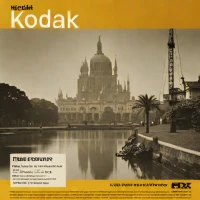
The Kodak Double-X 5222 is a 35mm black-and-white motion picture negative designed for theatrical projection. Introduced in 1959, it was notable for its high sensitivity to light, allowing for filming in dimmer conditions and reducing the need for extensive post-processing. It remains a favored choice among independent filmmakers and restoration specialists working with older film stock due to its archival qualities and reliable image reproduction.
help Kodak Double-X 5222 FAQ
What is the ISO rating of Kodak Double-X 5222?
Kodak Double-X 5222 is rated at EI 250 under daylight conditions and EI 200 under tungsten lighting. It is a panchromatic black-and-white motion picture negative film, meaning it is sensitive to the full visible spectrum of light. These ratings make it versatile for both interior and exterior shooting environments.
When was Kodak Double-X 5222 introduced?
Kodak Double-X 5222 was introduced in 1959 as a 35mm black-and-white motion picture negative film. Despite its age, it remains in production and is one of the oldest film stocks still manufactured by Kodak. Its longevity speaks to the enduring aesthetic appeal of its tonal rendition and grain structure among cinematographers.
Can Kodak Double-X 5222 be used in still photography cameras?
Yes, Kodak Double-X 5222 can be loaded into standard 35mm still cameras, though it is sold as bulk motion picture film rather than in consumer cassettes. Photographers typically bulk-load it into reusable 35mm cassettes and process it in standard black-and-white developers. Its cinematic tonality and fine grain make it popular among photographers seeking a distinctive motion-picture look.
Was The Lighthouse shot on Kodak Double-X 5222?
Yes, Robert Eggers' 2019 film The Lighthouse was famously shot on Kodak Double-X 5222 stock using vintage 1930s Bausch & Lomb lenses. Cinematographer Jarin Blaschke chose the stock for its period-authentic black-and-white aesthetic and rich tonal range. The film was shot on 35mm in a 1.19:1 aspect ratio to evoke early cinema.
explore Explore More
Similar to Kodak Double-X 5222
compare_arrows Compare: Kodak Professional Ektachrom... See all arrow_forward


Reviews & Comments
Write a Review
Be the first to review
Share your thoughts with the community and help others make better decisions.


