
description Kodak Verichrome Pan Overview
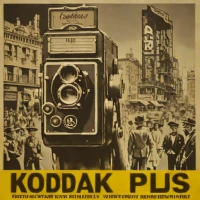
The Kodak Verichrome Pan was a popular black-and-white photographic film produced from 1956 to 1980. Its notable feature was exceptional archival stability, allowing negatives to remain remarkably clear for extended periods. This made it favored by serious photographers and archivists seeking long-term preservation of their images. It remains sought after today by collectors and those interested in classic photographic techniques.
help Kodak Verichrome Pan FAQ
What type of film is Kodak Verichrome Pan?
Kodak Verichrome Pan is a highly regarded black-and-white photographic film that was introduced by Eastman Kodak in 1956. It is known for its fine grain, high sharpness, and wide exposure latitude, making it incredibly versatile. It was primarily sold as a consumer roll film format, most notably in 127, 120, and 620 sizes.
Why was Kodak Verichrome Pan popular for archival photography?
The film was specifically engineered with a thicker, durable Estar (polyester) base instead of standard acetate. This gave Verichrome Pan negatives exceptional archival stability, allowing them to remain clear, flat, and resistant to physical decay for decades. Because of this, it was heavily favored by family archivists, museums, and government agencies needing long-term document storage.
When was Kodak Verichrome Pan discontinued?
Despite its massive popularity, Kodak discontinued Verichrome Pan in 1980 as consumer demand shifted heavily toward color photography. Kodak eventually replaced its consumer black-and-white market presence with T-Max and Tri-X films. Today, surviving unexposed rolls are considered expired and are mostly used by vintage photography hobbyists.
Can you still develop Kodak Verichrome Pan film today?
Yes, if you have an undeveloped roll of Verichrome Pan today, it can still be processed using standard black-and-white film developing chemicals. However, because the film is decades past its expiration date, it will likely suffer from severe base fog, reduced contrast, and loss of sensitivity to light. Many film photographers recommend developing expired rolls in a highly diluted compensating developer like Rodinal.
explore Explore More



Reviews & Comments
Write a Review
Be the first to review
Share your thoughts with the community and help others make better decisions.


