
description Northern Mixed Grasslands Overview
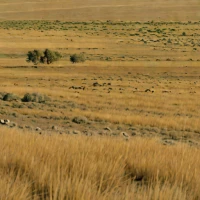
The Northern Mixed Grasslands are a temperate grassland ecoregion spanning the Great Plains across the northern United States and southern Canada. Serving as an ecological transition zone between the taller grass prairies to the east and the shorter grass plains to the west, the region receives moderate rainfall. The biome is characterized by native vegetation such as wheatgrass, needlegrass, and grama grass, which historically supported vast herds of bison and other grazing mammals. Today, the area remains a critical agricultural zone, utilized extensively for cattle ranching and dryland farming.
help Northern Mixed Grasslands FAQ
Where are the Northern Mixed Grasslands located?
The Northern Mixed Grasslands stretch across the northern Great Plains of the United States and southern Canada. They form part of the temperate grassland belt between wetter eastern prairies and drier western plains.
Why are these grasslands called mixed grasslands?
They contain a mixture of taller and shorter prairie grasses rather than being dominated by only one grassland type. Their position between tallgrass prairie to the east and shortgrass plains to the west explains the transition.
Which wildlife depends on the Northern Mixed Grasslands?
The ecoregion supports grassland songbirds, mammals, pollinators, and other species adapted to open prairie. Baird's sparrows are one example of a bird associated with the Northern Great Plains.
What threatens the Northern Mixed Grasslands?
Conversion to cropland, habitat fragmentation, invasive trees, and altered fire patterns reduce native prairie. Conservation is difficult because much of the Great Plains grassland is privately managed and used for farming or ranching.
explore Explore More
Similar to Northern Mixed Grasslands
compare_arrows Compare: Central and Southern Mixed G... See all arrow_forward


Reviews & Comments
Write a Review
Be the first to review
Share your thoughts with the community and help others make better decisions.


