
description Phymateus viridipes Overview
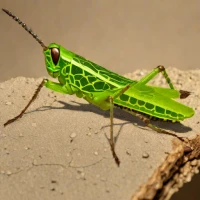
Phymateus viridipes is a savanna grasshopper belonging to the Pyrgomorphidae family native to Africa. This species exhibits aposematic coloration – bright green markings – which signals its toxicity. It accumulates defensive chemicals from plants it consumes, making it unpalatable and dangerous to potential predators such as birds and reptiles. Researchers and herpetologists studying insect defense mechanisms and African savanna ecosystems find this grasshopper particularly valuable.
help Phymateus viridipes FAQ
Is the Phymateus viridipes grasshopper poisonous to humans?
While not directly poisonous to the touch, Phymateus viridipes accumulates toxic defensive chemicals from the plants it consumes, making it highly unpalatable to predators. These toxins, known as cardiac glycosides, are primarily dangerous to birds and small mammals who might attempt to eat them. Handling them is generally safe for humans, but it is recommended to wash your hands thoroughly afterward.
What do Phymateus viridipes grasshoppers eat?
This species of African grasshopper feeds on specific toxic plants within their native savanna habitat, particularly those from the milkweed family. By consuming these toxic plants, they absorb and store the defensive chemicals within their own bodies. This specialized diet is directly responsible for their toxicity to predators.
Why is the Phymateus viridipes so brightly colored?
The bright green markings and vivid aposematic coloration of this grasshopper serve as a warning signal to potential predators. Because they accumulate unpalatable chemicals from the toxic plants they eat, they must advertise their foul taste visually. This striking appearance tells birds and lizards that eating the grasshopper will make them sick.
Where can I find Phymateus viridipes in the wild?
Phymateus viridipes is native to the savanna and bushveld regions of Southern and Eastern Africa. They are typically found in areas where their specific host plants grow abundantly. Countries like South Africa, Zimbabwe, and Mozambique are common ranges for this distinctive insect.
explore Explore More
Similar to Phymateus viridipes
compare_arrows Compare: Milkweed Grasshopper (Phymat... See all arrow_forward


Reviews & Comments
Write a Review
Be the first to review
Share your thoughts with the community and help others make better decisions.


