
description Poás fumaroles Overview
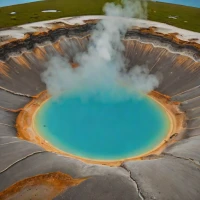
Poás fumaroles represent an active volcanic feature in Costa Rica’s central America region. They are found within the summit crater of Poás Volcano alongside a significant crater lake. These vents release steam and gases due to geothermal activity, offering scientists valuable data on volcanic processes and subterranean heat sources. The site is studied by volcanologists, geologists, and researchers interested in monitoring active volcanoes and understanding their impact on surrounding environments.
help Poás fumaroles FAQ
Is Poás Volcano located within a national park accessible to visitors in Costa Rica?
Yes, Poás Volcano is the centerpiece of Poás Volcano National Park, located about 55 kilometers from San José in Costa Rica's Central Valley. The park features a viewing platform near the main crater's rim, though access can be restricted during periods of heightened volcanic activity.
What gases do the fumaroles at Poás release, and how dangerous are they?
The fumaroles primarily release water vapor, sulfur dioxide, and hydrogen sulfide, with smaller amounts of carbon dioxide and other volcanic gases. During eruptions or periods of increased degassing, these emissions can reach dangerous concentrations, which is why park authorities use gas sensors to determine when visitor access must be closed.
Has Poás experienced significant volcanic eruptions in recent years?
Yes, Poás Volcano experienced a notable eruptive phase in 2017 that included explosive phreatic eruptions sending ash and steam hundreds of meters into the air. This activity caused the national park to close for extended periods while volcanologists from Costa Rica's OVSICORI monitoring agency assessed the ongoing hazard.
How does the crater lake at Poás interact with the fumarole activity?
The summit crater contains Laguna Caliente, one of the most acidic crater lakes on Earth, with pH levels that can drop below zero. When fumarole activity intensifies, the lake water heats up and sometimes evaporates completely, exposing the vent system and increasing the likelihood of explosive phreatic eruptions as groundwater interacts with magma.
explore Explore More
Similar to Poás fumaroles
compare_arrows Compare: Rincón de la Vieja fumaroles See all arrow_forward


Reviews & Comments
Write a Review
Be the first to review
Share your thoughts with the community and help others make better decisions.


