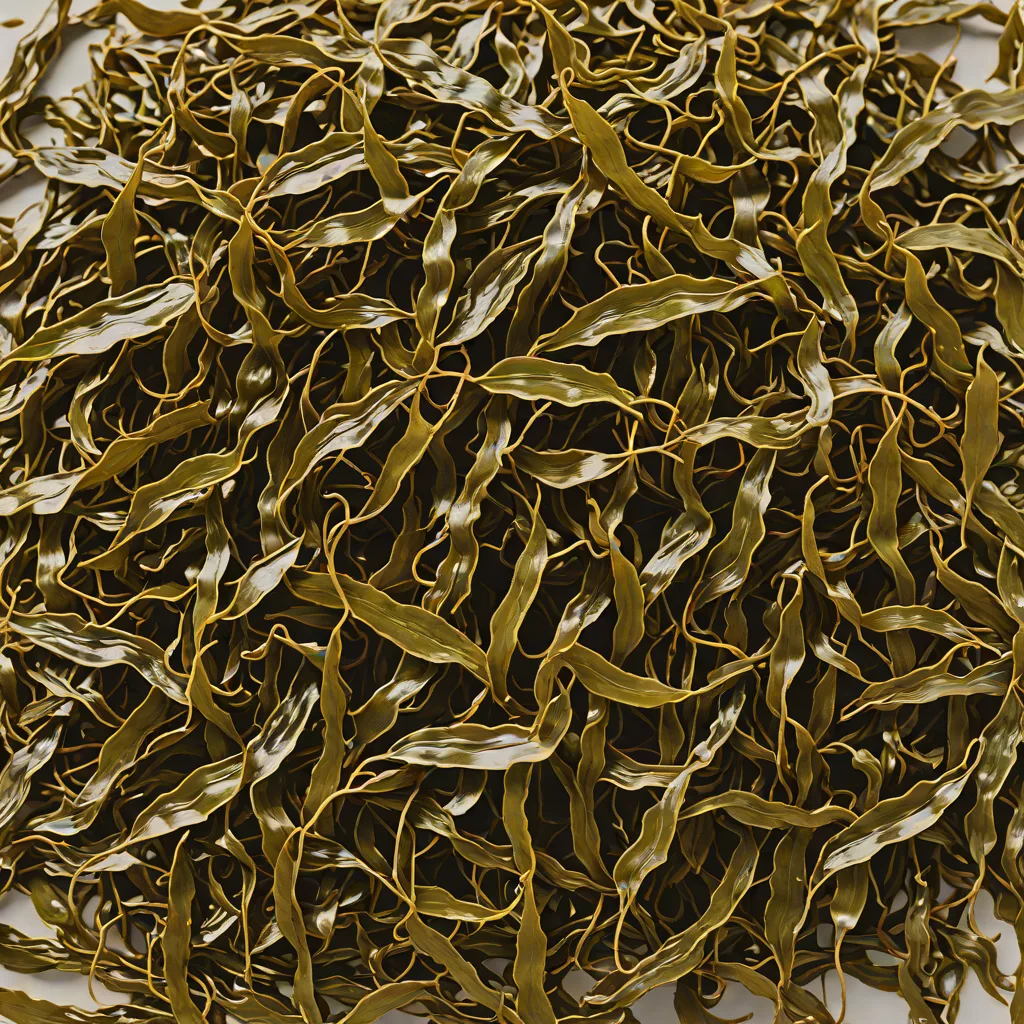
description Porphyra tenera Overview
Porphyra tenera is a species of red algae, commonly known as *tenera*. Native to Japan and other East Asian coastal regions, it’s notable for being a key ingredient in nori production. This seaweed provides essential nutrients and is frequently consumed by individuals seeking traditional Japanese cuisine or those interested in the nutritional benefits of rhodophyta algae.
help Porphyra tenera FAQ
When was Porphyra tenera first cultivated in Japan?
*Porphyra tenera* has been commercially cultivated in Japan since at least the Edo period, with systematic cultivation methods developed in Tokyo Bay during the 17th century. The technique involved planting bamboo stakes in the shallow mudflats to catch the seaweed spores. Today, it is farmed on massive floating nets across the Seto Inland Sea.
Is Porphyra tenera the seaweed used to make nori?
Yes, *Porphyra tenera* is historically the primary species of red algae harvested and processed into the dried, dark green sheets of nori used to wrap sushi. However, due to disease outbreaks in the mid-20th century, most modern Japanese nori is now cultivated from a closely related species called *Pyropia yezoensis*. Both species produce the same familiar culinary product.
How does Porphyra tenera reproduce?
*Porphyra tenera* has a highly complex, two-stage lifecycle known as heteromorphic alternation of generations. It spends the winter growing into the large, leafy seaweed harvested for food, before releasing spores that turn into tiny, shell-boring filaments during the hot summer months. These filaments eventually release new spores to start the cycle over again.
Is Porphyra tenera high in vitamins?
*Porphyra tenera* is extremely nutrient-dense and is famously one of the highest natural sources of Vitamin B12 available for vegetarians and vegans. It is also packed with protein, iodine, and essential amino acids. Because of this, dried nori sheets have been a staple healthy ingredient in Japanese cuisine for centuries.
explore Explore More
Similar to Porphyra tenera
See all arrow_forward


Reviews & Comments
Write a Review
Be the first to review
Share your thoughts with the community and help others make better decisions.