
description Proofing Drawer Overview
A dedicated proofing drawer provides a controlled environment for dough fermentation. By maintaining consistent temperature and humidity, it eliminates the guesswork of 'countertop' proofing. This is essential for large batches or in climates where ambient temperatures fluctuate significantly, ensuring that every loaf reaches its peak rise at the same time.
help Proofing Drawer FAQ
What temperature and humidity settings are best for sourdough in a proofing drawer?
For sourdough fermentation, a consistent temperature between 75°F and 82°F (24°C to 28°C) with a humidity level around 75% to 80% is ideal. This environment allows the wild yeast to thrive without melting the butter or over-softening the dough structure.
Can I use a standard kitchen warming drawer for proofing bread?
Yes, many modern warming drawers feature a specific "Proof" setting designed to maintain the low temperatures required for dough. However, if your drawer lacks humidity controls, you may need to cover your dough with a damp towel to prevent it from drying out.
How does a proofing drawer improve sourdough bread texture?
By eliminating the ambient temperature fluctuations of a kitchen countertop, a proofing drawer ensures a slow, controlled fermentation. This consistent environment helps the dough develop better gluten structure, a more complex flavor profile, and a superior oven spring.
Will the heat from a proofing drawer kill the yeast in my dough?
As long as the drawer is set below 95°F (35°C), the wild yeast and lactobacilli in sourdough will remain highly active. Temperatures exceeding this threshold can stress or kill the yeast, so always verify the internal thermostat with a thermometer before placing your dough inside.
explore Explore More
Similar to Proofing Drawer
compare_arrows Compare: Banneton Proofing Basket (Wi... See all arrow_forward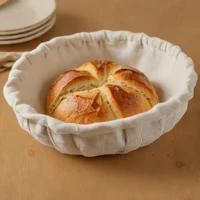


Reviews & Comments
Write a Review
Be the first to review
Share your thoughts with the community and help others make better decisions.


