
description Royal Worcester Overview
Founded in 1751 by Dr. John Wall, Royal Worcester is among the oldest English porcelain manufacturers still in existence. The company received a Royal Warrant in 1788 and built a reputation for producing high-quality bone china and hand-painted porcelain. During the late 19th and early 20th centuries, it became particularly recognized for its decorative "blush ivory" wares, which often featured intricate floral paintings and fruit scenes.
Today, the brand's historical wares are highly sought by collectors of fine English tableware and ornamental porcelain.
help Royal Worcester FAQ
When was Royal Worcester founded, and who was involved?
The first Worcester porcelain factory was established in 1751 after Dr. John Wall and apothecary William Davis developed porcelain experiments. The Museum of Royal Worcester records a formal deed signed by 15 partners on 4 June 1751. [Museum of Royal Worcester](https://www.museumofroyalworcester.org/discover-learn/research/factories/dr-wall-the-first-factory/)
Why does Royal Worcester have a Royal Warrant?
A Royal Warrant allowed Worcester porcelain to use the Royal Coat of Arms and the words "Manufacturers to their Majesties." George III visited the factory in 1788, while the Museum of Royal Worcester records the first warrant award in 1789. [Museum of Royal Worcester](https://www.museumofroyalworcester.org/discover-learn/research/historical-dates-and-visits/key-dates-in-history/)
What kind of porcelain is Royal Worcester known for?
Royal Worcester is associated with fine porcelain, bone china, hand-painted decoration, tableware, and ornamental pieces. Its documented production history extends from 1751 to 2008, so designs and marks vary considerably by period. [Museum of Royal Worcester](https://www.museumofroyalworcester.org/)
How can I date or identify a piece of Royal Worcester?
Identification usually starts with the backstamp, pattern, shape, painter's signature, and any date code, followed by comparison with specialist references. The factory archive covers wares made from 1751 to 2008, so a mark must be interpreted against the production period.
explore Explore More
Similar to Royal Worcester
compare_arrows Compare: Derby Porcelain (Crown Derby... See all arrow_forward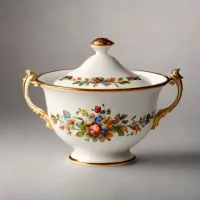


Reviews & Comments
Write a Review
Be the first to review
Share your thoughts with the community and help others make better decisions.


