
description Tango Argentino (show) Overview
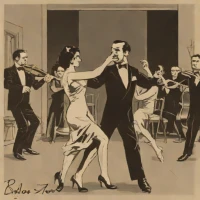
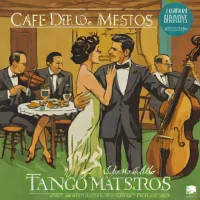
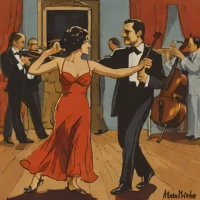
Tango Argentino is a celebrated stage production presenting the passionate history of Argentine tango. Created by Claudio Segovia and Héctor Orezzoli, it revived interest in this dance form globally following its debut in Paris. The show offers a theatrical exploration of tango's evolution and cultural significance, appealing to enthusiasts interested in the dance’s traditions and performance art. It is particularly relevant for those studying or appreciating Argentine culture and the rich heritage of tango music and movement.
help Tango Argentino (show) FAQ
Who created the stage show 'Tango Argentino'?
'Tango Argentino' is a celebrated theatrical stage production created and directed by Claudio Segovia and Héctor Orezzoli. The show made its debut in Paris in 1983 and quickly became an international sensation. It featured legendary dancers like Juan Carlos Copes and María Nieves.
How did 'Tango Argentino' impact the global perception of tango?
The show is widely credited with sparking a massive global tango revival in the 1980s, reigniting interest in the dance form across Europe and North America. Prior to the show, tango had fallen out of mainstream fashion, but its theatrical presentation captivated international audiences. It established the modern format of tango stage shows.
Did 'Tango Argentino' win any major awards?
Yes, the original Broadway production of 'Tango Argentino' was nominated for several Tony Awards in 1986. It ultimately won the Tony Award for Best Choreography, cementing its theatrical significance. The show ran on Broadway for over six months at the Mark Hellinger Theatre.
What makes the music and dancing of 'Tango Argentino' unique?
Rather than a modern ballet, 'Tango Argentino' offers a theatrical exploration of tango's history, featuring authentic golden-age orchestras and traditional milonguero styles. The production meticulously recreated the evolution of the dance from the gritty streets of Buenos Aires to the elegant salons. It combined live traditional music with virtuosic, improvisational dancing.
explore Explore More
Reviews & Comments
Write a Review
Be the first to review
Share your thoughts with the community and help others make better decisions.


