
description The Deva Realm (Buddhist Interpretation) Overview
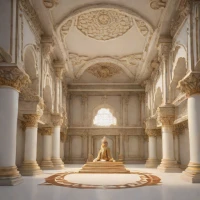
This interpretation focuses on the Deva realms as temporary rewards for accumulated merit (Punya). The key teaching here is the illusion of permanence; the bliss is temporary, and the inhabitants are often unaware of the suffering that awaits them when their karma runs out. It serves as a cautionary tale against complacency.
help The Deva Realm (Buddhist Interpretation) FAQ
How does someone get reborn into the Deva Realm in Buddhism?
In Buddhist cosmology, rebirth into the Deva realm is viewed as a temporary reward for accumulated good merit, known as Punya. This realm is characterized by intense pleasure and bliss, acting as a temporary respite from suffering.
Is the Deva Realm a permanent state of enlightenment?
No, a core Buddhist teaching regarding the Deva realm is the illusion of permanence. The bliss is strictly temporary, and once the inhabitants' karma runs out, they will eventually die and be reborn into a lower realm.
Why is being reborn as a Deva (god) considered potentially dangerous?
The inhabitants of the Deva realms are often so distracted by their own pleasure and bliss that they are unaware of the suffering that awaits them. Because they are comfortable, they forget to practice the Dharma, missing their chance to achieve true enlightenment.
Where does the Deva Realm fit into the Buddhist Six Realms of existence?
The Deva realm is the highest of the six realms of rebirth within the Buddhist wheel of life (Samsara). It sits above the human, Asura, animal, hungry ghost, and hell realms, but it is still bound by the cycle of death and rebirth.
explore Explore More
Similar to The Deva Realm (Buddhist Interpretation)
See all arrow_forward


Reviews & Comments
Write a Review
Be the first to review
Share your thoughts with the community and help others make better decisions.


