
description Prairie Pothole Region Overview
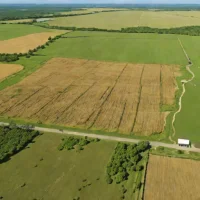
The Prairie Pothole Region encompasses parts of Canada, Minnesota, and the Dakotas. This area features a unique landscape of depressions, or potholes, formed by glacial activity. These wetlands are critically important for supporting vast populations of migratory waterfowl, primarily ducks and geese, providing essential breeding habitat. Scientists, conservation organizations, and government agencies involved in wildlife management rely on this region’s data to understand and protect these vital bird populations.
help Prairie Pothole Region FAQ
Why is the Prairie Pothole Region important for waterfowl?
Often called the "Duck Factory" of North America, this region supports vast populations of migratory waterfowl. The network of small, shallow wetlands provides ideal nesting and feeding grounds for millions of ducks and geese. It is globally recognized as one of the most ecologically important wetland systems on the continent.
How were the potholes in the Prairie Pothole Region formed?
The depressions, known as potholes, were formed by glacial activity during the last Ice Age. As the massive glaciers retreated, they left behind chunks of buried ice that later melted to form these shallow wetlands. This geological process created a highly productive landscape across the northern plains.
What geographic areas make up the Prairie Pothole Region?
The region spans parts of Canada, Minnesota, and the Dakotas, covering a massive footprint across the northern plains. In Canada, it primarily extends into Alberta, Saskatchewan, and Manitoba. The specific geography provides a crucial transition zone between dry prairie uplands and aquatic habitats.
What are the main conservation threats to the Prairie Pothole Region?
Agricultural conversion and extensive drainage pose the most significant threats to the region's wetland ecosystem. Because the potholes are often viewed as obstacles to farming, many have been drained over the decades. Conservation organizations actively work to protect and restore these vital habitats.
explore Explore More
Similar to Prairie Pothole Region
compare_arrows Compare: Grasslands National Park See all arrow_forward


Reviews & Comments
Write a Review
Be the first to review
Share your thoughts with the community and help others make better decisions.


