
description Calocybe Gambosa Overview
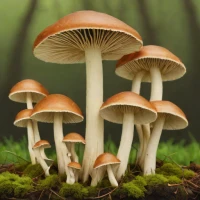
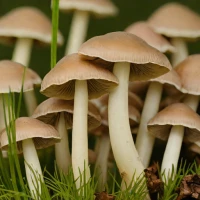
Calocybe gambosa, commonly called St. George's mushroom, is an edible fungus that fruits in spring in European grasslands, pastures, roadside verges, and woodland edges. It has a pale, fleshy cap, crowded whitish gills, and a strong mealy or flour-like odor. Its English name reflects its traditional appearance near St.
George's Day, but collection for food requires careful identification because pale grassland mushrooms include toxic species.
help Calocybe Gambosa FAQ
Why is Calocybe gambosa called St. George's mushroom?
Calocybe gambosa is called St. George's mushroom because it fruits in spring, traditionally around St. George's Day in late April. The name refers to its seasonal appearance in Europe.
Where does Calocybe gambosa grow?
It grows in European grasslands, pastures, roadside verges, and woodland edges. The species is associated with spring fruiting rather than the autumn mushroom season.
What does Calocybe gambosa look and smell like?
It has a pale, fleshy cap, crowded whitish gills, and a strong mealy or flour-like odor. Those features are useful for identification, but they should not replace an expert check before eating a wild mushroom.
Is Calocybe gambosa safe to eat when found in the wild?
Calocybe gambosa is classified as an edible mushroom, but a text description is not enough to confirm a field identification. Its pale spring appearance should be checked by an experienced forager before consumption.
explore Explore More

Reviews & Comments
Write a Review
Be the first to review
Share your thoughts with the community and help others make better decisions.


