
description Chelsea Porcelain Overview
Chelsea Porcelain emerged in London circa 1745 as Britain’s first dedicated porcelain factory. Its significance lies in pioneering soft-paste porcelain production, a technique offering greater detail and durability than earlier earthenware. The company produced highly sought-after tableware and decorative figures admired for their refined quality. Chelsea remains notable within the history of English ceramics and is particularly relevant to collectors, museums, and specialists studying 18th-century pottery and British manufacturing.
help Chelsea Porcelain FAQ
When was the Chelsea Porcelain Manufactory founded?
The Chelsea Porcelain Manufactory was established around 1745, making it the first major porcelain factory in England. It was founded by Nicholas Sprimont, a silversmith who saw an opportunity to produce luxury wares for the English aristocracy. The factory operated independently until it was eventually purchased and merged with Derby Porcelain in 1770.
What makes Chelsea Porcelain historically significant?
Chelsea Porcelain is famous for pioneering high-quality soft-paste porcelain in Britain, which allowed for intricate detailing and vibrant glass-like glazes. Prior to this, true hard-paste porcelain was a closely guarded secret by manufacturers in Meissen, China, and France. Chelsea successfully created a domestic luxury alternative to these expensive imports.
What are the four main periods of Chelsea Porcelain production?
Collectors and historians divide Chelsea Porcelain into four distinct periods: the Triangle period (1745-1749), the Raised Anchor period (1749-1752), the Red Anchor period (1752-1756), and the Gold Anchor period (1756-1769). Each phase represents a change in the factory's marks and a shift in artistic styles. The Red Anchor period is often considered their artistic peak.
What types of items did Chelsea Porcelain produce?
The factory primarily focused on small, highly decorative items rather than practical tableware. They produced exquisite figurines, scent bottles, miniature animals, and ornate centerpieces inspired by French Rococo designs. These items were heavily collected by the British nobility, particularly during the reign of King George III.
explore Explore More
Similar to Chelsea Porcelain
compare_arrows Compare: Derby Porcelain (Crown Derby... See all arrow_forward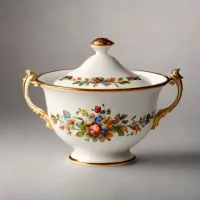


Reviews & Comments
Write a Review
Be the first to review
Share your thoughts with the community and help others make better decisions.


