
description Dell EMC PowerMax Overview
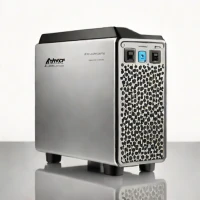
Dell EMC PowerMax is a scalable enterprise storage system utilizing all-flash technology. It’s notable for its high performance and robust data protection capabilities, providing redundancy through multiple layers. This system is ideal for organizations requiring reliable, mission-critical storage solutions such as financial services, healthcare, and large enterprises managing substantial datasets.
help Dell EMC PowerMax FAQ
What is Dell EMC PowerMax used for?
Dell EMC PowerMax is an enterprise all-flash storage array used for mission-critical databases, virtualization, mainframe workloads, and high-availability applications. It is aimed at organizations that need very low latency and strong data protection rather than simple external backup storage.
How is PowerMax related to Dell EMC VMAX?
PowerMax is the successor family to Dell EMC's VMAX enterprise storage line. It kept the high-end enterprise positioning while moving deeper into NVMe and all-flash architecture.
What software features are associated with PowerMax?
PowerMax systems are commonly associated with features such as SRDF replication, snapshots, encryption, and automated data placement. Dell has also marketed built-in machine learning for performance optimization in the PowerMax line.
Who competes with Dell EMC PowerMax?
Its competitors include high-end enterprise storage platforms from vendors such as Pure Storage, NetApp, Hitachi Vantara, IBM, and HPE. The exact comparison depends on workload, support contracts, replication needs, and whether the environment uses VMware, mainframe, or large database systems.
explore Explore More


Reviews & Comments
Write a Review
Be the first to review
Share your thoughts with the community and help others make better decisions.


