
description Fuga y Misterio Overview
Astor Piazzolla’s “Fuga y Misterio” is a 1968 tango notable for integrating a challenging fugue structure into the genre. This instrumental piece blends intricate musical counterpoint with Piazzolla's characteristic evocative melodies. It’s particularly appreciated by musicians, tango enthusiasts, and those interested in the innovative fusion of classical and tango styles.
help Fuga y Misterio FAQ
What is a "fuga" in the context of "Fuga y Misterio"?
"Fuga" refers to a fugue, which is a complex contrapuntal compositional technique heavily used in classical music. Astor Piazzolla famously integrated this rigorous, intellectual structure directly into the nuevo-tango genre.
When was "Fuga y Misterio" composed?
Astor Piazzolla composed "Fuga y Misterio" in 1968 for his avant-garde operita, *María de Buenos Aires*. It remains one of the standout instrumental tracks from that groundbreaking project.
What is the "misterio" (mystery) section of the piece like?
Following the rigorous, fast-paced fugue, the "misterio" section slows down into a dark, highly atmospheric melody. It perfectly demonstrates Piazzolla's ability to blend complex counterpoint with deep emotional resonance.
Who performed the original version of "Fuga y Misterio"?
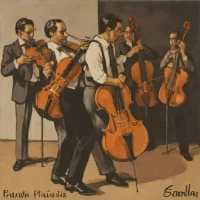
The piece was originally performed by Piazzolla's own Quinteto Tango Nuevo during the 1968 premiere of *María de Buenos Aires*. The ensemble notably featured the electric guitar alongside bandoneon, violin, piano, and double bass.
explore Explore More


Reviews & Comments
Write a Review
Be the first to review
Share your thoughts with the community and help others make better decisions.


