
description Café 1930 Overview
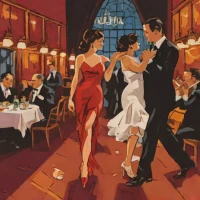
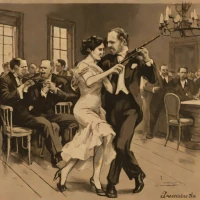
Café 1930 is an instrumental piece by Astor Piazzolla from his Histoire du Tango suite. It evokes the atmosphere of 1930s Buenos Aires tango salons with its melancholic melodies and intricate arrangements. The work is notable for its authentic representation of that era’s musical style and remains a significant composition within the nuevo-tango genre. It appeals to listeners interested in traditional tango, classical music, and the history of this influential dance form.
help Café 1930 FAQ
What suite is "Café 1930" from?
"Café 1930" is a movement from Astor Piazzolla's famous *Histoire du Tango* (History of the Tango) suite. The suite traces the evolution of tango music across different decades and settings.
What instruments was "Café 1930" originally written for?
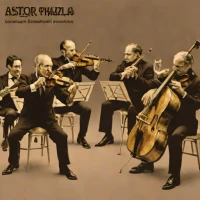
Piazzolla originally composed the *Histoire du Tango* suite in 1982 for flute and guitar. "Café 1930" specifically captures the slower, more melancholic shift in tango music of that era.
What atmosphere does "Café 1930" aim to evoke?
The piece captures the intimate, slightly melancholic atmosphere of 1930s Buenos Aires tango salons. Unlike the upbeat dance halls of previous decades, this era's music was often slower and meant to be listened to closely.
Is "Café 1930" played by modern classical musicians?
Yes, it is heavily performed today, though musicians often arrange it for various instrument combinations like violin and piano. Its expressive phrasing makes it a favorite for university recitals and professional chamber concerts.
explore Explore More

Reviews & Comments
Write a Review
Be the first to review
Share your thoughts with the community and help others make better decisions.


