
description Verano Porteño Overview
“Verano Porteño” is an instrumental tango composition by Astor Piazzolla. Written in 1965 as part of his “Four Seasons” suite, it’s notable for its innovative blend of traditional tango with elements of nuevo-tango and classical music. The piece captures the atmosphere of Buenos Aires during summer. It's primarily appreciated by tango musicians, enthusiasts, and those interested in Piazzolla’s significant contribution to the genre.
help Verano Porteño FAQ
What is 'Verano Porteño' and who composed it?
'Verano Porteño' is an instrumental tango composition written by Astor Piazzolla in 1965. The title translates to 'Buenos Aires Summer,' and it captures the sweltering, vibrant atmosphere of the city. It is a cornerstone of Piazzolla's innovative nuevo-tango movement.
Is 'Verano Porteño' part of a larger musical suite?
Yes, it was originally written in 1965 as part of the theatrical production *Melenazón de verano* before becoming part of Piazzolla's famous *Cuatro Estaciones Porteñas* (The Four Seasons of Buenos Aires). The four-movement suite also includes *Otoño Porteño*, *Invierno Porteño*, and *Primavera Porteña*. This suite blends traditional tango with elements of classical music.
How does 'Verano Porteño' differ from traditional tango?
Unlike traditional dance tango, 'Verano Porteño' was not meant for dancing but for listening, incorporating complex jazz harmonies and classical counterpoint. Piazzolla utilized extended techniques and a fast-paced, aggressive rhythm to convey the chaotic energy of a Buenos Aires summer. It was a radical departure from the standard 2/4 time of golden-age orchestras.
What instruments are prominently featured in 'Verano Porteño'?
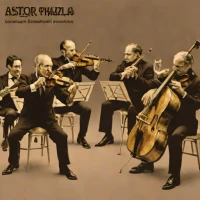
The piece is driven by Astor Piazzolla's own virtuosic playing on the bandoneón, a type of concertina central to tango music. In his Quinteto Nuevo Tango, he paired this with electric guitar, violin, piano, and double bass. This specific instrumentation created the signature, modern sound of his later career.
explore Explore More



Reviews & Comments
Write a Review
Be the first to review
Share your thoughts with the community and help others make better decisions.


