
description Buenos Aires Hora Cero Overview
Astor Piazzolla’s “Buenos Aires Hora Cero” is a seminal tango piece from the 1960s. The composition captures the city’s nocturnal energy and mood through its complex rhythms and distinctive instrumentation. It remains a cornerstone of nuevo-tango, frequently performed by orchestras and instrumentalists dedicated to the genre's rich tradition. Musicians and enthusiasts interested in Argentine tango music will recognize its importance and influence.
help Buenos Aires Hora Cero FAQ
Who composed 'Buenos Aires Hora Cero' and what does the title mean?
'Buenos Aires Hora Cero' is a seminal tango piece composed by Astor Piazzolla in the 1960s. The title translates to 'Buenos Aires Hour Zero' or 'Zero Hour,' referencing the dead of night when the city's dark, restless energy peaks. It captures the city’s nocturnal mood through its complex rhythms.
What album or project is 'Buenos Aires Hora Cero' associated with?
The piece serves as the thematic anchor for Piazzolla's groundbreaking 1986 live album, *Tango: Zero Hour* (Tango: Hora Cero). Piazzolla considered this album, recorded with his Quinteto Nuevo Tango, to be the best record of his entire career. The track sets the tone for the entire nuevo-tango masterpiece.
How does the piece reflect the nuevo-tango style?
The composition captures the city’s nocturnal energy through its complex syncopation, dissonant chords, and distinctive instrumentation, completely breaking away from traditional danceable tango. It relies heavily on the push-and-pull rhythm typical of Piazzolla's style, meant for concert listening rather than the dance floor. It remains a cornerstone of nuevo-tango.
What is the instrumentation of 'Buenos Aires Hora Cero'?
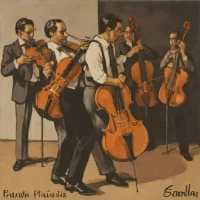
Like much of Piazzolla’s later work, the definitive version features his Quinteto Nuevo Tango, which includes the bandoneón, violin, piano, electric guitar, and double bass. The interplay between the staccato bandoneón and the sweeping violin creates a dramatic, cinematic tension. This chamber-music approach revolutionized how tango was performed globally.
explore Explore More
Reviews & Comments
Write a Review
Be the first to review
Share your thoughts with the community and help others make better decisions.


