
description Adiós Nonino Overview
“Adiós Nonino” is a profoundly moving instrumental tango by Astor Piazzolla. Composed in 1959, it serves as a heartfelt tribute to his father, Vicente Piazzolla, marking a pivotal moment in the development of nuevo-tango. The piece’s lyrical melody and complex arrangements are notable for their emotional depth, making it a staple within tango performance and appreciated by musicians, dancers, and listeners deeply connected to the genre's rich history.
help Adiós Nonino FAQ
When and why did Astor Piazzolla compose 'Adiós Nonino'?
Astor Piazzolla composed 'Adiós Nonino' in 1959 as a heartfelt tribute to his father, Vicente Piazzolla, who had recently passed away. The title roughly translates to 'Farewell, Grandpa,' reflecting the family connection and profound grief that inspired the piece. It became a defining work in his development of the nuevo tango movement.
What instruments are featured in a traditional performance of 'Adiós Nonino'?
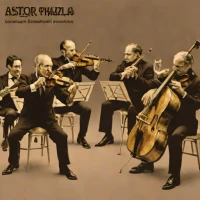
Like much of Astor Piazzolla's work, the piece prominently features the bandoneón alongside a traditional chamber orchestra or quintet setup. The bandoneón is a type of concertina that serves as the core instrument of Argentine tango. Piazzolla's virtuosic arrangements for this instrument give the song its distinct melancholic and complex sound.
What does the title 'Adiós Nonino' translate to in English?
The title combines the Spanish word for goodbye ('adiós') with the Italian affectionate term for grandfather ('nonino'). Piazzolla used the name 'Nonino' to refer to his father, Vicente Piazzolla, due to the family's Italian heritage. The translation 'Farewell, Grandpa' captures the deeply personal and elegiac nature of the composition.
How does 'Adiós Nonino' fit into the history of nuevo tango?
Composed in 1959, the piece marks a pivotal moment in the development of nuevo tango, a genre Piazzolla pioneered by blending traditional tango with jazz and classical elements. It demonstrated that tango could be complex concert music rather than just dance accompaniment. It remains one of his most celebrated and frequently performed compositions worldwide.
explore Explore More


Reviews & Comments
Write a Review
Be the first to review
Share your thoughts with the community and help others make better decisions.


