
description Heterometrus spinifer Overview
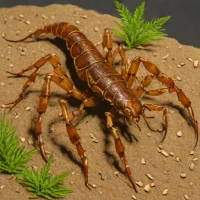
Heterometrus spinifer is a sizable scorpion species native to the forests of Southeast Asia. It’s notable for its prominent, venomous spine – the longest among scorpions – and robust exoskeleton. This species belongs to the Scorpionidae family and is primarily studied by arachnologists and researchers investigating scorpion biology, venom composition, and evolutionary adaptations within tropical ecosystems.
help Heterometrus spinifer FAQ
How large does Heterometrus spinifer get?
Heterometrus spinifer, the Asian forest scorpion, can reach approximately 10 to 12 centimeters in body length, making it one of the larger scorpion species commonly encountered. Including the outstretched pedipalps (claws), the total apparent size can appear even larger. Its heavy build and glossy black exoskeleton contribute to an imposing physical presence that makes it popular in the exotic pet trade.
Is Heterometrus spinifer dangerous to humans?
Heterometrus spinifer is not considered medically significant to humans, as its venom is relatively mild compared to dangerous species like those in the genera Androctonus or Leiurus. A sting is often compared to a bee sting in terms of pain, causing localized swelling and discomfort but not life-threatening symptoms. This relatively low venom toxicity contributes to its popularity as a pet.
Where does the Asian forest scorpion live in the wild?
Heterometrus spinifer is distributed throughout the tropical forest regions of Southeast Asia, including countries such as Malaysia, Thailand, and Indonesia. It inhabits humid forest floors where it shelters under logs, rocks, and leaf litter during the day. The species is nocturnal, emerging at night to hunt insects and other small invertebrates.
What are the care requirements for keeping Heterometrus spinifer as a pet?
Caring for Heterometrus spinifer requires a terrarium with high humidity, typically maintained between 70 and 80 percent, and temperatures in the range of 24 to 30 degrees Celsius. A deep substrate such as coconut coir allows the scorpion to burrow, and hiding spots like cork bark replicate its natural forest-floor habitat. They can be kept communally in groups if sufficient space and hiding places are provided.
explore Explore More



Reviews & Comments
Write a Review
Be the first to review
Share your thoughts with the community and help others make better decisions.


