
description Hittite Kingdom Overview
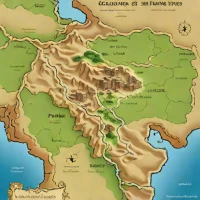
The Hittite Kingdom flourished in ancient Anatolia during the Bronze Age. This powerful empire, with its capital at Hattusa, challenged established powers like Egypt through sophisticated legal codes and military strength. Its innovations in ironworking and diplomacy significantly impacted the Near East. The kingdom’s legacy is of interest to historians studying early empires, international relations, and the development of written law.
help Hittite Kingdom FAQ
What was the capital city of the Hittite Kingdom?
The Hittite Kingdom was centered at the ancient city of Hattusa, located in modern-day Turkey (Anatolia). Hattusa was heavily fortified with massive stone walls and featured a vast royal archive of cuneiform tablets. These tablets provided archaeologists with much of our knowledge regarding the empire's laws and treaties.
Did the Hittites fight the Egyptians?
Yes, the Hittite Kingdom was a major rival to Egypt during the Late Bronze Age. The two superpowers famously clashed at the Battle of Kadesh around 1274 BC, which resulted in the world's first recorded peace treaty. This conflict primarily involved Pharaoh Ramesses II and the Hittite King Muwatalli II.
What caused the collapse of the Hittite Kingdom?
The Hittite Kingdom rapidly collapsed around 1200 BC during the broader Late Bronze Age collapse. Historians believe a combination of internal civil strife, economic instability, and invasions by the mysterious "Sea Peoples" led to the abandonment of Hattusa. The empire quickly fragmented into smaller Neo-Hittite states in the region.
What language did the Hittite Kingdom speak?
The Hittites spoke Hittite, which is the oldest recorded Indo-European language. They recorded their language using cuneiform script on clay tablets found in the ruins of their capital, Hattusa. The decipherment of this language in the early 20th century proved the immense age and reach of the Indo-European family.
explore Explore More



Reviews & Comments
Write a Review
Be the first to review
Share your thoughts with the community and help others make better decisions.


