
description Jigokudani Beppu Overview
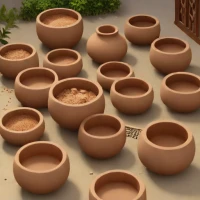
Jigokudani Beppu is a fascinating area in Japan’s Beppu region known for its active hot springs and unique mudpots. These naturally occurring pools are formed by geothermal activity where superheated water interacts with cooler groundwater creating thick, clay-rich mud. The distinctive reddish color comes from iron oxides. It's notable for the opportunity to experience this geological process firsthand.
Jigokudani Beppu is particularly appealing to visitors interested in Japanese natural landscapes and geology, especially those seeking accessible outdoor exploration.
help Jigokudani Beppu FAQ
Where is the Jigokudani Beppu geothermal area located?
Jigokudani is located in the city of Beppu, which is situated on the island of Kyushu in southern Japan. Beppu is one of Japan's most famous hot spring resorts, born out of the intense volcanic activity of the region. The name 'Jigokudani' literally translates to 'Hell Valley' due to the boiling, steamy, and barren landscape.
What are the 'Hells of Beppu' (Jigoku Meguri) that tourists visit?
The 'Hells of Beppu' are a specific collection of seven spectacular, multi-colored geothermal hot springs and mudpots located in the Beppu region. Unlike the thousands of thermal baths where people soak, the seven Hells are strictly for viewing because their water and mud temperatures are dangerously close to boiling. Jigokudani serves as the central, steam-filled valley where several of these pools are located.
Why do the mudpots and hot springs in Beppu have such vibrant colors?
The striking, otherworldly colors of the pools are caused by specific minerals and chemicals dissolved in the geothermal water. For example, the 'Sea Hell' (Umi Jigoku) is a stunning cobalt blue due to dissolved iron sulfate. Meanwhile, the 'Blood Pond Hell' (Chinoike Jigoku) is a deep, blood red because of high concentrations of dissolved iron oxide and magnesium in the mud.
How do the locals utilize the geothermal heat from Jigokudani for cooking?
The residents of Beppu use the natural, boiling steam rising from the earth to cook their food. They utilize specialized bamboo baskets placed over the steaming vents to boil eggs, sweet potatoes, and vegetables. This traditional method of steaming food using the earth's natural heat is called 'Jigoku-mushi' and is a popular local delicacy.
explore Explore More


Reviews & Comments
Write a Review
Be the first to review
Share your thoughts with the community and help others make better decisions.


