
description Mountain Pygmy Possum Overview
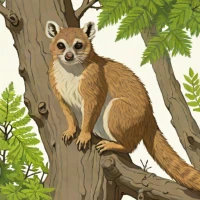
The Mountain Pygmy Possum, *Burramys parvus*, is a small marsupial native to Australia’s alpine areas. It’s notable as the continent's sole hibernating mammal, surviving harsh winters by entering dormancy in rock shelters. This extant diprotodont relies on these sheltered locations for warmth and protection during freezing temperatures. The species is primarily found in Victoria and New South Wales, and is of interest to biologists studying adaptation and survival strategies in extreme environments.
help Mountain Pygmy Possum FAQ
When was the Mountain Pygmy Possum discovered alive?
The species was known only from Pleistocene fossil records from 1894 until a living specimen was discovered in 1966 at Mount Hotham ski resort in Victoria, Australia. It was one of the most dramatic 'living fossil' rediscoveries in Australian zoology.
Why is the Mountain Pygmy Possum unique among Australian marsupials?
It is the only Australian marsupial known to hibernate, spending the winter months in a state of torpor beneath the snowpack in alpine boulder fields. Body temperature can drop to as low as 2°C (35°F) for days at a time during hibernation.
Is the Mountain Pygmy Possum endangered?
Yes, it is classified as critically endangered. Fewer than 2,000 individuals are estimated to remain across three isolated populations in Victoria and New South Wales, threatened by climate-driven loss of snowpack, habitat fragmentation from ski resort development, and predation by introduced foxes and feral cats.
How big is the Mountain Pygmy Possum?
Burramys parvus weighs only about 45 grams and measures roughly 11 centimeters in body length, with a prehensile tail as long as its body. Despite its tiny size, it can consume nearly its own body weight in Bogong moths during a single night of feeding before hibernation.
explore Explore More


Reviews & Comments
Write a Review
Be the first to review
Share your thoughts with the community and help others make better decisions.


