
description Pulmonoscorpius kirktonensis Overview
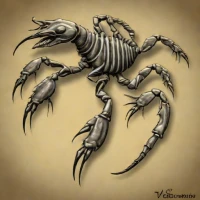
Pulmonoscorpius kirktonensis is a remarkably well-preserved fossil scorpion dating back to the Carboniferous period approximately 310 million years ago. It’s notable for possessing lungs, an unusual adaptation among scorpions at this time, suggesting a more active terrestrial lifestyle than previously thought. The specimen offers crucial insights into the evolution of scorpion anatomy and behavior during that era. Paleontologists and researchers studying ancient arthropods find it particularly valuable.
help Pulmonoscorpius kirktonensis FAQ
When did the Pulmonoscorpius kirktonensis live?
Pulmonoscorpius kirktonensis is an extinct species of scorpion that lived during the Carboniferous period, approximately 310 million years ago. It is known from exceptionally well-preserved fossils found in Scotland.
How big was the Pulmonoscorpius?
Based on the fossil record, Pulmonoscorpius kirktonensis was a relatively large scorpion, reaching lengths of up to 70 centimeters. It was one of the top predators of its ecosystem due to its size.
What is unique about the Pulmonoscorpius's anatomy?
The most notable feature of Pulmonoscorpius was its well-developed book lungs, which allowed for highly efficient respiration. This adaptation suggests it was an active terrestrial hunter capable of sustaining high-energy activities.
What did Pulmonoscorpius kirktonensis eat?
As a large arachnid of the Carboniferous period, it likely preyed on smaller arthropods, insects, and possibly small amphibians. Its size and agility would have made it a formidable predator in its terrestrial environment.
explore Explore More
Similar to Pulmonoscorpius kirktonensis
compare_arrows Compare: Brontoscorpio anglicus See all arrow_forward


Reviews & Comments
Write a Review
Be the first to review
Share your thoughts with the community and help others make better decisions.


