
description Scarlet Mormon Overview
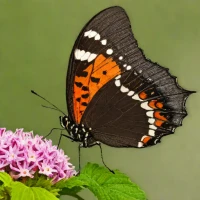
The Scarlet Mormon is a swallowtail butterfly found exclusively in the Philippines. It’s notable due to significant differences between males and females – the vibrant black and red coloration of the adults provides striking visual contrast. This species belongs to the Papilionidae family and is primarily observed by lepidopterists and nature enthusiasts studying Philippine biodiversity.
help Scarlet Mormon FAQ
Where does the Scarlet Mormon butterfly live?
The Scarlet Mormon butterfly is found exclusively in the Philippines, making it an endemic species to the Southeast Asian archipelago. It thrives in the tropical forests and environmental conditions of the various Philippine islands. Its restricted geographic range makes it a unique specimen for lepidopterists studying regional biodiversity.
What is the difference between male and female Scarlet Mormon butterflies?
The Scarlet Mormon exhibits extreme sexual dimorphism, meaning males and females look completely different. Males are primarily black with subtle markings, while females are much larger and display striking, vibrant red and black coloration on their wings. This visual contrast makes them one of the most visually distinct butterflies in the Papilionidae family.
What family does the Scarlet Mormon belong to?
The Scarlet Mormon is a member of the Papilionidae family, commonly known as the swallowtail butterflies. This family is known for containing some of the largest and most visually striking butterflies in the world. They are characterized by the distinctive tail-like extensions on their hindwings, though this is less prominent in the Scarlet Mormon.
Are Scarlet Mormon butterflies poisonous?
Like many other brightly colored insects, the female Scarlet Mormon's vibrant red and black coloration serves as a warning signal to predators. This aposematism suggests that they are unpalatable, a trait often acquired during the caterpillar stage. By feeding on specific toxic host plants, the adult butterfly accumulates defensive chemicals.
explore Explore More



Reviews & Comments
Write a Review
Be the first to review
Share your thoughts with the community and help others make better decisions.


