
description The Road from Coorain Overview
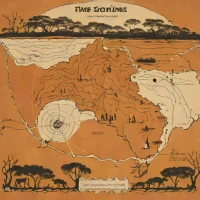
The Road from Coorain recounts Jill Ker Conway’s formative years spent on a remote Western Australian sheep station during the 20th century. It details her challenging childhood and early education within a traditional Outback setting. This memoir illuminates a unique path to intellectual development, ultimately shaping Conway's career as a distinguished American historian. The book is of interest to readers fascinated by Australian history, family narratives, and the experiences of individuals forging their identities in isolated environments.
help The Road from Coorain FAQ
What does the title "The Road from Coorain" refer to in Jill Ker Conway's memoir?
"Coorain" is the Aboriginal word for "windy place," and it is the name of the remote, 32,000-acre sheep station in the Australian outback where Conway spent her harsh, isolated childhood. The "road from" represents her intellectual and geographic journey away from rural Australia to become an academic in the United States.
What tragedies impacted Conway's early life on the station?
Conway's father died in a tragic drowning accident while attempting to dam a creek on the property during a severe drought. Shortly after, her mother fell into severe depression and alcoholism, forcing Conway to take on heavy responsibilities at a young age.
Why did Jill Ker Conway ultimately decide to leave Australia for the United States?
Despite graduating with honors from the University of Sydney, Conway faced rampant sexism that prevented her from securing a master's degree in her home country. She moved to the US to attend Radcliffe College in 1960, where she could pursue an academic career free from the intellectual constraints she faced in Australia.
What major historic role did Conway achieve later in her academic career?
Conway went on to become the first female president of Smith College in Massachusetts in 1975. Her 1989 memoir details the resilience required to overcome a harsh outback upbringing and succeed in the male-dominated academic spheres of the mid-20th century.
explore Explore More

Reviews & Comments
Write a Review
Be the first to review
Share your thoughts with the community and help others make better decisions.


