
description Amaravati Stupa Overview
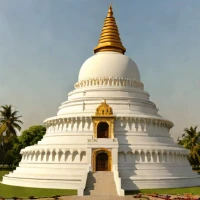
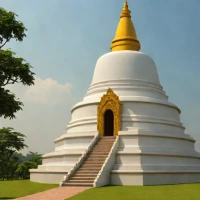
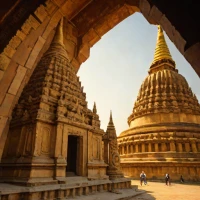
The Amaravati Stupa, or Mahachaitya, is an ancient Buddhist monument located in Amaravati, Andhra Pradesh, India. Constructed between the 3rd century BCE and the 2nd century CE, it was a prominent center for early Buddhism in South India. The monument was extensively decorated with exquisitely carved limestone reliefs that depict scenes from the life of the Buddha and various Jataka tales. Today, the site is an important archaeological location, though many of its surviving sculptural panels are housed in museums across India and London.
help Amaravati Stupa FAQ
What survives of the Amaravati Stupa today?
The great structure itself is largely ruined, but the archaeological site preserves its footprint and excavated remains. Important limestone sculptures are divided among the site museum, the Government Museum in Chennai, and the British Museum in London.
What are the Amaravati Marbles?
The name refers to carved limestone railings, drum slabs, pillars, and narrative panels removed from the Amaravati Mahachaitya. Despite the nickname, the sculptures are made from pale limestone rather than marble.
What stories appear in Amaravati's relief carvings?
The reliefs depict episodes from the Buddha's life, Jataka stories, worship scenes, and richly populated processions. Earlier panels often represent the Buddha through symbols such as an empty throne, footprints, or the Bodhi tree.
How is Amaravati connected to the Satavahana period?
Major phases of construction and sculptural patronage occurred under the Satavahanas and later Ikshvakus in the Deccan. Work at the site extended across several centuries, beginning around the 3rd century BCE.
explore Explore More

Reviews & Comments
Write a Review
Be the first to review
Share your thoughts with the community and help others make better decisions.


