
description Buff-tip moth Overview
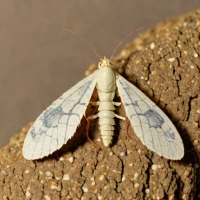
The buff-tip moth is a stick insect moth belonging to the Notodontidae family. It’s remarkable for its sophisticated camouflage; the adult resembles a small, broken birch twig, offering excellent protection from predators. This mimicry is particularly effective at night and makes it a subject of study for entomologists and natural history enthusiasts interested in evolutionary adaptation and insect morphology.
help Buff-tip moth FAQ
How does the buff-tip moth camouflage itself?
The buff-tip moth (Phalera bucephala) is renowned for its incredible camouflage, perfectly mimicking the appearance of a broken birch twig. Its wings are colored pale grey and brown, and it rests with its wings held tightly against its body to enhance the stick illusion.
Where can I find buff-tip moths in the wild?
This nocturnal insect is commonly found throughout Europe, including the United Kingdom. They inhabit woodlands, parks, and gardens where their primary food sources—such as birch, oak, and lime trees—are abundant.
Are buff-tip moth caterpillars harmful to trees?
Yes, the larvae of the buff-tip moth can sometimes be considered pests because they feed voraciously on the leaves of various deciduous trees. They are known to feed in groups, which can lead to significant defoliation of oak, elm, and hazel trees during severe infestations.
When do buff-tip moths typically fly?
Adult buff-tip moths are nocturnal and typically take flight during the summer months, specifically from May to July. They are highly attracted to light, making them frequent visitors to light traps set up by lepidopterists.
explore Explore More


Reviews & Comments
Write a Review
Be the first to review
Share your thoughts with the community and help others make better decisions.


