
description Cinnabar moth Overview
The cinnabar moth, Tyria jacobaeae, is a day-flying member of the family Erebidae native to Europe and parts of western and central Asia. Adults have dark forewings marked with vivid red patches and red hindwings, while the caterpillars are conspicuously striped in yellow and black. Its larvae feed chiefly on ragwort, retain toxic alkaloids from the plant, and have been introduced in some regions as a biological control agent.
help Cinnabar moth FAQ
Why was the Cinnabar moth introduced to New Zealand?
The moth was deliberately introduced to countries like New Zealand in the late 1920s as a biological control agent to combat the spread of invasive ragwort weeds. The caterpillars are voracious eaters of the toxic plant, effectively defoliating it and preventing it from seeding.
Are Cinnabar moth caterpillars poisonous to birds?
Yes, the bright orange and black horizontal stripes of the caterpillars serve as a stark warning to predators. Because they absorb toxic alkaloids from the ragwort plants they consume, the caterpillars are highly poisonous to most birds and mammals.
What do adult Cinnabar moths look like?
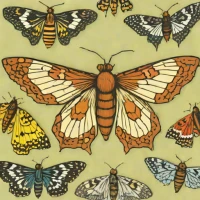
Adult Cinnabar moths are boldly colored European insects that feature striking black wings crossed by bright red or scarlet markings. This vivid warning coloration, known as aposematism, signals their retained toxicity to potential predators.
Do Cinnabar moth caterpillars cannibalize each other?
Yes, if their primary food source of ragwort becomes completely exhausted, the heavily populated colonies of caterpillars will resort to cannibalism. They will aggressively eat each other to secure enough protein to survive to the pupal stage.
explore Explore More



Reviews & Comments
Write a Review
Be the first to review
Share your thoughts with the community and help others make better decisions.


