
description Foxglove Beardtongue Overview
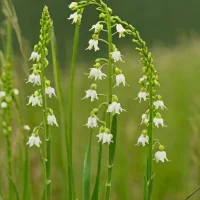
Foxglove Beardtongue, known scientifically as Penstemon digitalis, is a clump-forming herbaceous perennial native to the eastern and central United States. As a member of the plantain family, Plantaginaceae, it is characterized by its upright stems and opposite, lance-shaped leaves. In late spring and early summer, the plant produces tall panicles of tubular, white flowers that structurally resemble the blooms of the true foxglove. These flowers are highly attractive to native bees and other long-tongued pollinators, making the species a common selection for prairie restorations and pollinator gardens.
help Foxglove Beardtongue FAQ
Is Foxglove Beardtongue the same plant as common foxglove?
No, Foxglove Beardtongue (Penstemon digitalis) is a native North American wildflower in the plantain family, while common foxglove (Digitalis purpurea) is a European biennial best known as the source of the heart medication digoxin. The two share a superficial resemblance in tubular flower shape but belong to different genera.
What pollinators does Foxglove Beardtongue attract?
Foxglove Beardtongue is highly attractive to large native bees, particularly bumblebees and carpenter bees, which can navigate its tubular white flowers to reach nectar. The name 'beardtongue' refers to the sterile fifth stamen (staminode) covered in small hairs that serves as a landing platform for visiting insects.
How tall does Foxglove Beardtongue get?
Foxglove Beardtongue typically grows 2 to 4 feet tall, producing upright stalks topped with clusters of white to pale lavender tubular flowers in late spring to early summer. Its glossy basal leaves often take on attractive reddish-purple tones in cooler weather.
Does Foxglove Beardtongue contain digitalis?
No, despite the species name digitalis, Penstemon digitalis does not contain the cardiac glycosides found in true foxglove (Digitalis purpurea). It is planted purely as an ornamental and ecological species and has no history of medicinal use.
explore Explore More



Reviews & Comments
Write a Review
Be the first to review
Share your thoughts with the community and help others make better decisions.


