
description White Wild Indigo Overview
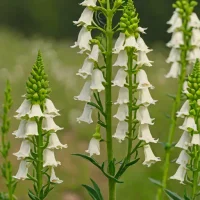
White Wild Indigo (Baptisia alba) is a tall, drought-tolerant perennial native to prairies and open woodlands of the central and eastern United States. A member of the legume family (Fabaceae), it grows 3 to 5 feet tall with blue-green, trifoliate leaves and produces tall spikes of white, pea-like flowers in late spring to early summer. The plant develops distinctive dark seed pods that turn black and become inflated when mature, and its deep taproot allows it to survive drought conditions while fixing nitrogen in the soil like other legumes.
help White Wild Indigo FAQ
What is the scientific name of White Wild Indigo?
White Wild Indigo is scientifically known as Baptisia alba, a member of the pea family (Fabaceae). The genus name Baptisia derives from the Greek word for 'dye,' because some related species in the genus were historically used to produce a blue dye as a substitute for true indigo.
How tall does White Wild Indigo grow?
White Wild Indigo is a substantial prairie perennial that typically reaches 3 to 5 feet tall, with its flower spikes sometimes pushing even higher in ideal conditions. Its bold upright form and size make it a striking backdrop plant in native perennial borders.
Does White Wild Indigo attract bees?
The white pea-like flowers of White Wild Indigo are highly attractive to bumblebees, which serve as its primary pollinators, along with other native bees and butterflies. After flowering, the plant develops large inflated seed pods that turn charcoal-black and persist into fall, adding seasonal interest.
Is White Wild Indigo drought tolerant?
White Wild Indigo is exceptionally drought tolerant once established, thanks to a deep taproot that can extend several feet into the soil. This adaptation suits its native prairie and savanna habitats across the central United States, where summer dry periods are common.
explore Explore More



Reviews & Comments
Write a Review
Be the first to review
Share your thoughts with the community and help others make better decisions.


