
description Mute Swan Overview
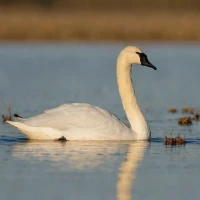
The Mute Swan is a large waterfowl species native to Europe and Asia. Recognizable by its prominent orange bill, it’s notable for its graceful swimming style and territorial behavior. These swans are commonly found in wetlands and waterways. They are frequently observed by birdwatchers and those interested in observing wild waterfowl populations.
help Mute Swan FAQ
Are Mute Swans actually mute?
Despite their name, Mute Swans are not completely silent, but they are much less vocal than other swan species like the Whooper Swan. They primarily communicate through hissing, grunting, and the distinct flapping of their wings.
How can you visually identify a Mute Swan?
Mute Swans are easily recognized by their large size, brilliant white feathers, and distinctive bright orange bill. The bill also features a prominent black knob at the base, which is noticeably larger in mature males.
Are Mute Swans native to North America?
No, Mute Swans are native to Europe and parts of Asia, but they were introduced to North America in the late 19th and early 20th centuries as decorative birds for parks and estates. They have since established significant feral populations, particularly along the Atlantic coast and the Great Lakes.
How aggressive are Mute Swans during nesting season?
Mute Swans are fiercely territorial and can become highly aggressive toward humans and other wildlife that approach their nests. They are known to hiss loudly, chase intruders, and even strike with their powerful wings to protect their young, known as cygnets.
explore Explore More



Reviews & Comments
Write a Review
Be the first to review
Share your thoughts with the community and help others make better decisions.


