
description Mycenae Overview
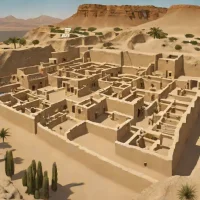
Mycenae is a Bronze Age citadel in the northeastern Peloponnese, Greece, which gave its name to the Mycenaean civilization that flourished from roughly 1600 to 1100 BCE. The site includes the monumental Lion Gate, the shaft graves of Grave Circle A, and large beehive-shaped tholos tombs such as the Treasury of Atreus. It is associated in Greek mythology with the legendary King Agamemnon. Excavations by Heinrich Schliemann in the 1870s brought the site wide attention.
help Mycenae FAQ
Why is Mycenae associated with Agamemnon and the Trojan War?
Greek tradition made Agamemnon the king of Mycenae and leader of the Greek expedition against Troy. Archaeology confirms that Mycenae was a powerful Bronze Age center, but it does not prove that the Homeric king was a historical person.
What are the main things to see at Mycenae?
Major remains include the Lion Gate, the citadel walls, Grave Circle A, the palace area, and nearby tholos tombs. The monument traditionally called the Treasury of Atreus is one of the most impressive surviving Mycenaean tombs.
Was the so-called Mask of Agamemnon actually buried with Agamemnon?
Heinrich Schliemann discovered the gold funerary mask at Mycenae in 1876 and linked it dramatically to Agamemnon. The burial predates the conventional setting of the Trojan War, so the identification is not accepted as literal.
How is Mycenae related to Tiryns?
Both were major fortified centers of Mycenaean Greece in the northeastern Peloponnese. UNESCO lists the archaeological sites of Mycenae and Tiryns together as a World Heritage property.
explore Explore More


Reviews & Comments
Write a Review
Be the first to review
Share your thoughts with the community and help others make better decisions.


