
description Rogers LS3/5A Overview
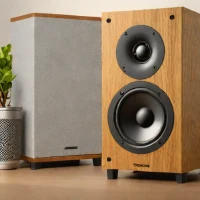
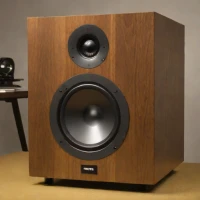
The Rogers LS3/5A is a classic two-way bookshelf speaker originally produced in 1975. Its notable characteristic is its warm and detailed sound, resulting from a carefully engineered vented cabinet and BBC monitor-inspired driver setup. These speakers are valued by audiophiles and music enthusiasts seeking a balanced listening experience, particularly those appreciating vintage audio technology.
help Rogers LS3/5A FAQ
What is the difference between the various Rogers LS3/5A versions?
The primary differences lie in the crossover design and the tweeter used, most notably distinguishing the early 15-ohm versions from the later 11-ohm models. The original 15-ohm crossovers are generally preferred by audiophiles for their warmer midrange, while the 11-ohm versions were introduced later to comply with updated safety standards.
What kind of amplifier works best with the Rogers LS3/5A speakers?
Because of its low sensitivity and difficult impedance curve, the Rogers LS3/5A benefits from a high-current amplifier to sound its best. Many enthusiasts pair them with warm-sounding tube amps or robust solid-state amplifiers like those from Naim or Quad to properly drive the speakers.
Why is the Rogers LS3/5A so famous in the audiophile community?
It was originally designed in the 1970s by the BBC as a nearfield monitor speaker to critically evaluate speech and music in small broadcasting trucks. Its legendary midrange accuracy and vocal reproduction make it a beloved bookshelf speaker despite its technical limitations in the bass region.
What is the ideal placement for Rogers LS3/5A speakers?
These speakers should be placed on solid stands away from the front wall to prevent bass build-up and maximize their imaging. Positioning them at ear level and angling them slightly toward the listener will yield the best stereo imaging and vocal clarity.
explore Explore More


Reviews & Comments
Write a Review
Be the first to review
Share your thoughts with the community and help others make better decisions.


