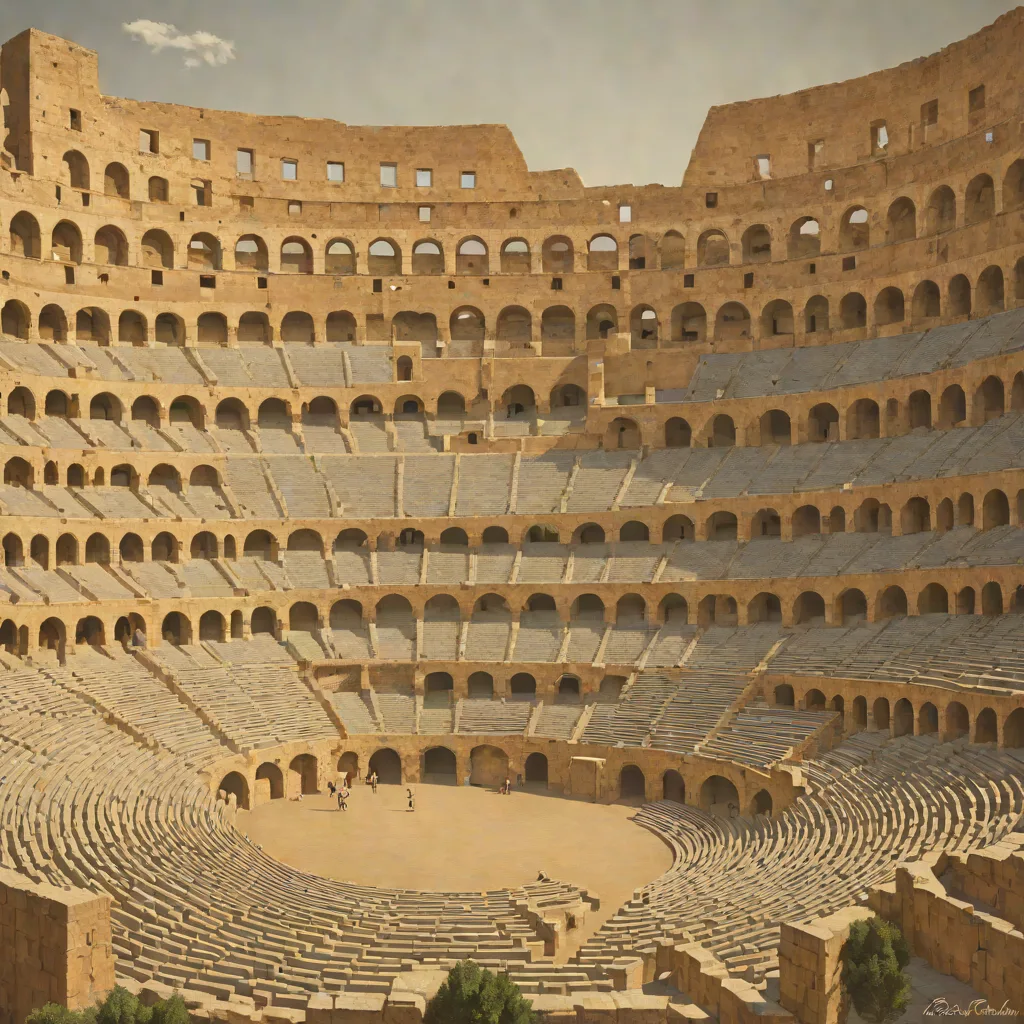
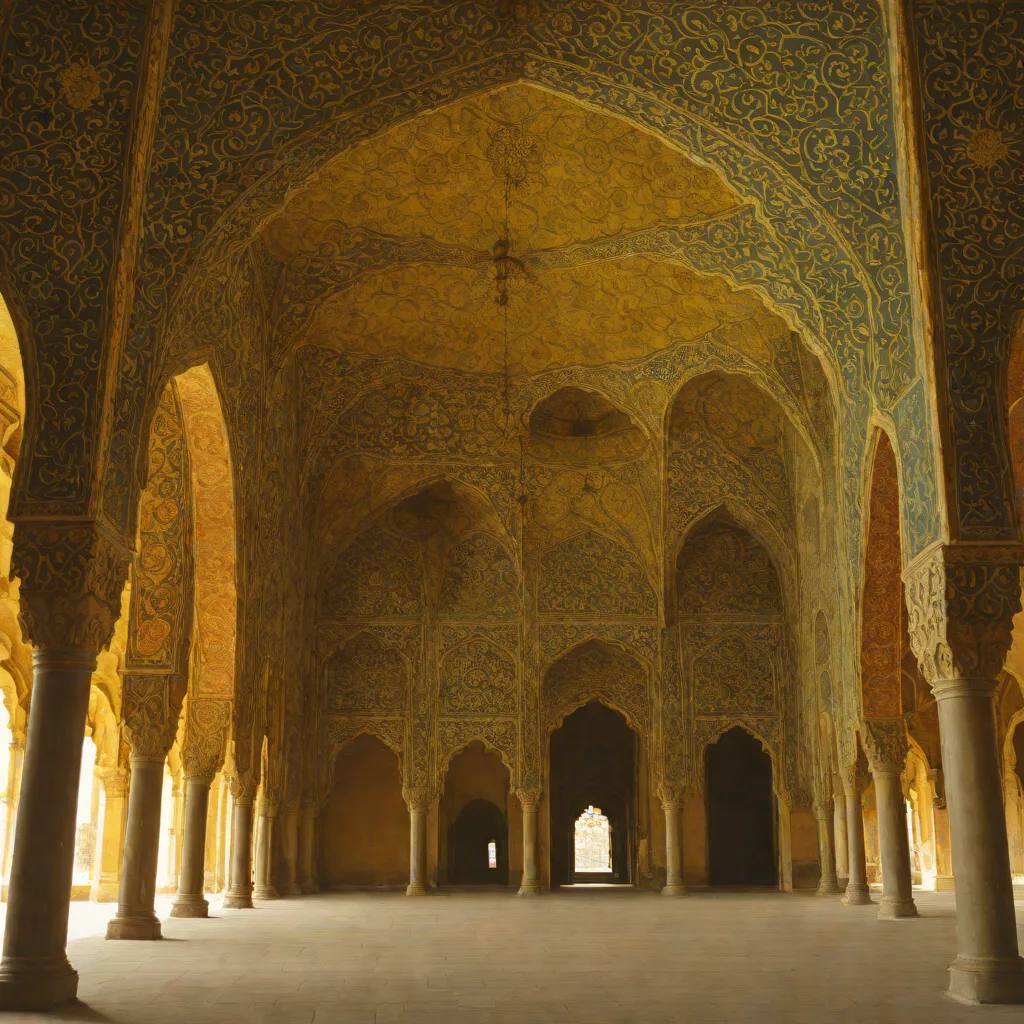
description Sirkap Double-Headed Eagle Stupa Overview
The Sirkap Double-Headed Eagle Stupa is an ancient Buddhist monument located within the ruins of Sirkap, an archaeological site in Taxila, Pakistan. The stupa is distinguished by its fronton, which features a sculpted double-headed eagle flanked by Indian-style archways. This architectural detail visually combines Hellenistic motifs with local South Asian designs, reflecting the cultural fusion of the Indo-Parthian and Gandhara periods. The site is preserved for historians and tourists studying the intersection of Greek and Buddhist cultures.
help Sirkap Double-Headed Eagle Stupa FAQ
Where is the Sirkap Double-Headed Eagle Stupa located?
The stupa is located within the archaeological ruins of Sirkap, an ancient city in Taxila, Pakistan. Taxila is a UNESCO World Heritage Site and was an important center of learning, Buddhism, and cross-cultural exchange in the ancient Gandhara civilization.
Why is it called the 'Double-Headed Eagle Stupa'?
The stupa is named for the sculpted double-headed eagle that adorns its fronton, or pediment, above an Indian-style archway. The motif is unusual in Buddhist architecture and reflects a blend of Hellenistic, Persian, and Indian artistic influences characteristic of the Gandhara region.
How old is the Sirkap Double-Headed Eagle Stupa?
The stupa dates to the period when Sirkap was a major urban center, which spanned roughly from the 2nd century BCE to the 2nd century CE. The city of Sirkap was built during the Indo-Greek period and continued under successive rulers including the Scythians, Parthians, and Kushans.
What does the double-headed eagle symbolize at this site?
The double-headed eagle was a motif associated with several ancient civilizations, including the Hellenistic Seleucid and Persian traditions. Its presence on a Buddhist monument at Sirkap demonstrates the cultural syncretism of Gandhara art, which freely blended Greek, Persian, and Indian visual traditions along ancient trade routes.
explore Explore More
Similar to Sirkap Double-Headed Eagle Stupa
See all arrow_forward


Reviews & Comments
Write a Review
Be the first to review
Share your thoughts with the community and help others make better decisions.