
description Snow Crab Overview
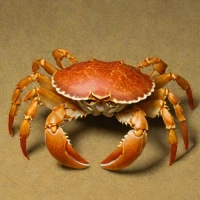
Long legs and a relatively compact shell give snow crabs a different appearance from the stockier crabs often sold whole. These commercially important marine crustaceans belong to the genus Chionoecetes, placed in the family Oregoniidae. They inhabit cold Arctic and subarctic waters of the North Atlantic and North Pacific, where their fisheries support harvesting and seafood processing, including in Alaska. Their edible meat is commonly sold in cooked leg clusters or removed from the shell for prepared food products.
Its mild, sweet flavor and delicate texture suit seafood dishes that allow the crab itself to remain noticeable. For consumers comparing edible crabs, snow crab stands out for its long, slender legs and the way the meat can be pulled from their sections. Its commercial importance also makes it relevant to fisheries researchers studying cold-water marine resources.
help Snow Crab FAQ
Where are Snow Crabs typically found?
Snow crabs inhabit the cold, deep waters of the Arctic and subarctic regions, specifically across the North Atlantic and North Pacific Oceans. They are heavily harvested in places like the Bering Sea, the Gulf of St. Lawrence, and off the coast of Greenland.
What is the scientific family of the Snow Crab?
Snow crabs belong to the Chionoecetidae family, a group of crustaceans perfectly adapted to freezing marine environments. The most commercially targeted species within this family is known scientifically as *Chionoecetes opilio*.
How big do Snow Crabs get?
Snow crabs are notable for their substantial size, with fully grown adult males capable of reaching a shell width of up to 6 inches and weighing several pounds. Their long legs provide a substantial meat yield, making them a highly valuable component of global commercial fisheries.
When is the Alaskan Snow Crab fishing season?
The Alaskan snow crab fishing season generally takes place during the harsh winter months, typically opening in October or November and running into the new year. This specific timing is strictly regulated by the Alaska Department of Fish and Game to ensure sustainable population levels.
explore Explore More



Reviews & Comments
Write a Review
Be the first to review
Share your thoughts with the community and help others make better decisions.


