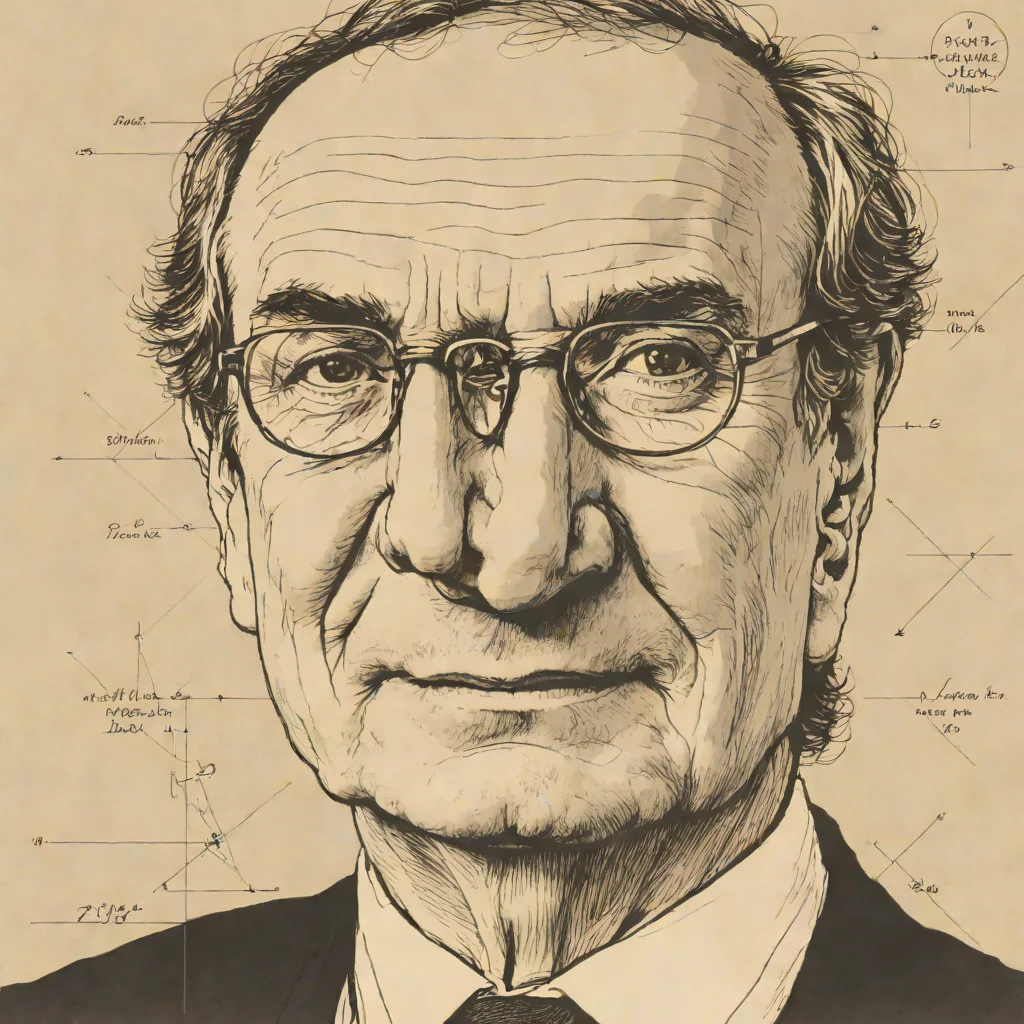
description Nicholas Kaldor Overview
Nicholas Kaldor (1908–1986) was a Hungarian-British economist and a figure in post-Keynesian economics. He is best known for developing the Kaldor-Hicks efficiency criterion and for his work on economic growth theory, often summarized in Kaldor's growth laws. He served as a professor at the University of Cambridge and advised the UK Labour government on tax policy. His theories primarily address wealth distribution, capital accumulation, and the dynamics of economic growth.
help Nicholas Kaldor FAQ
What is Nicholas Kaldor famous for in economics?
Nicholas Kaldor was a Hungarian-British economist best known for developing the Kaldor-Hicks efficiency criterion. He also contributed significantly to economic growth theory, often summarized in Kaldor's growth laws. He lived from 1908 to 1986.
What is the Kaldor-Hicks efficiency criterion?
The Kaldor-Hicks efficiency criterion, co-developed by Nicholas Kaldor, is an economic concept used to evaluate whether an allocation of resources improves overall welfare. Unlike Pareto efficiency, it allows for some parties to be worse off, provided the total benefits outweigh the costs. Kaldor was a prominent figure in post-Keynesian economics.
What economic school of thought was Nicholas Kaldor associated with?
Nicholas Kaldor was a prominent figure in post-Keynesian economics. His work heavily influenced economic growth theory and welfare economics. He served as a professor and lived from 1908 to 1986.
What are Kaldor's growth laws?
Kaldor's growth laws were developed by Nicholas Kaldor to explain the process of economic growth, particularly the relationship between manufacturing output and overall GDP growth. These laws are a major part of his contribution to post-Keynesian economic theory. Kaldor was a Hungarian-British economist who passed away in 1986.
explore Explore More
Similar to Nicholas Kaldor
See all arrow_forward


Reviews & Comments
Write a Review
Be the first to review
Share your thoughts with the community and help others make better decisions.