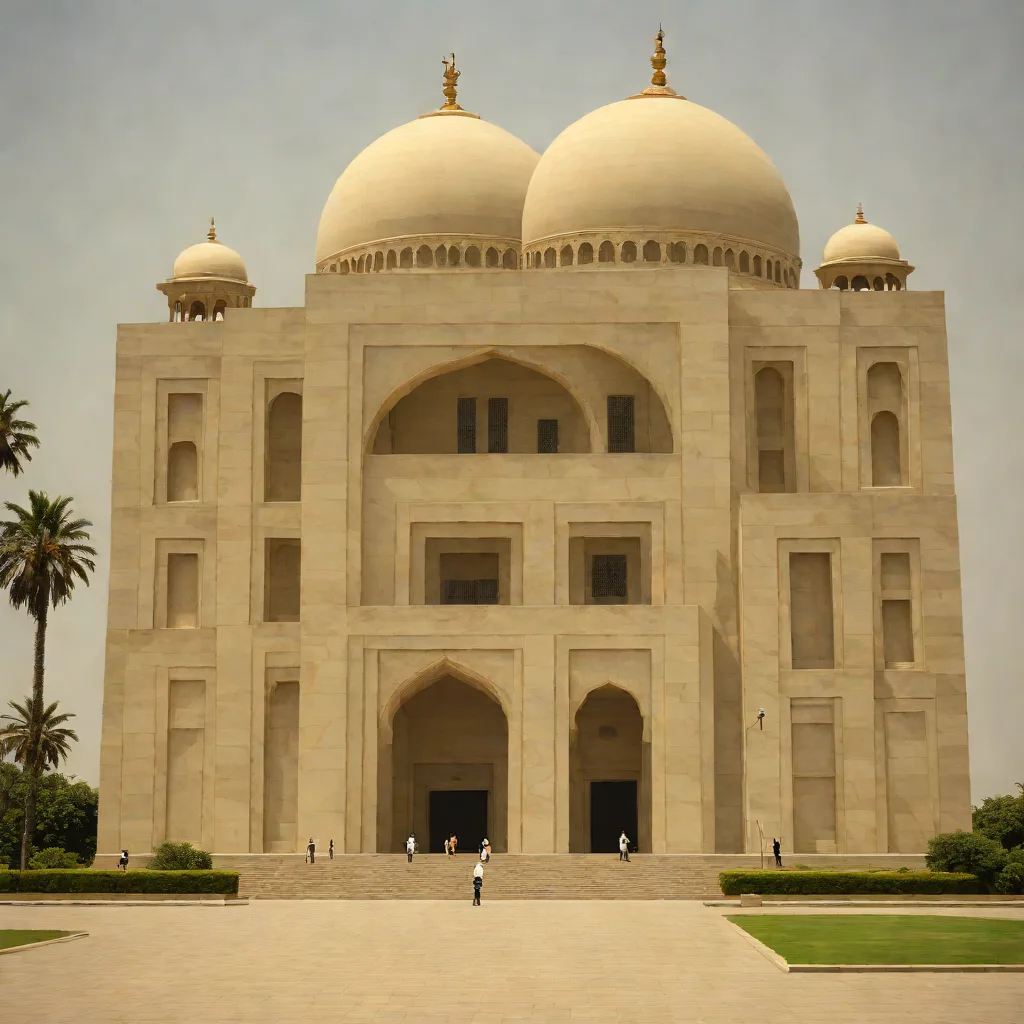
description Arab-Ata Mausoleum Overview
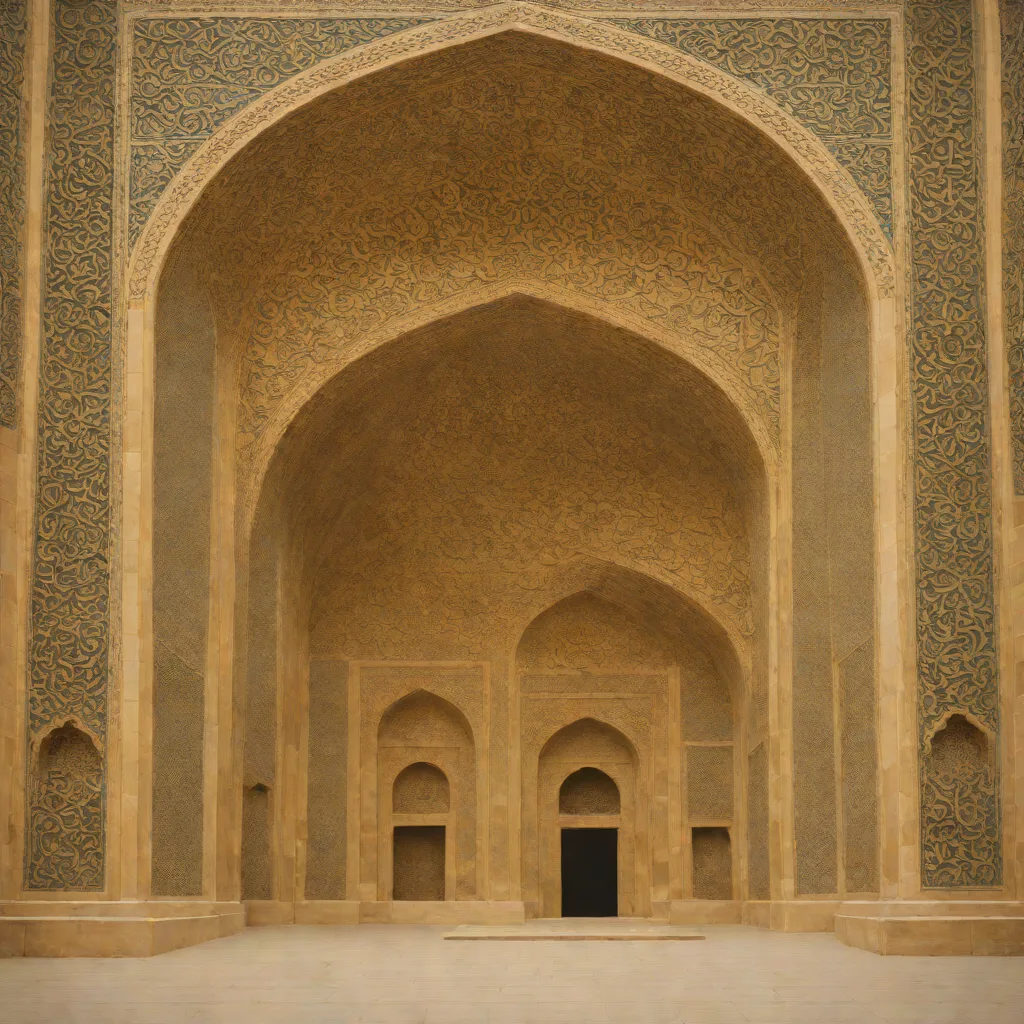
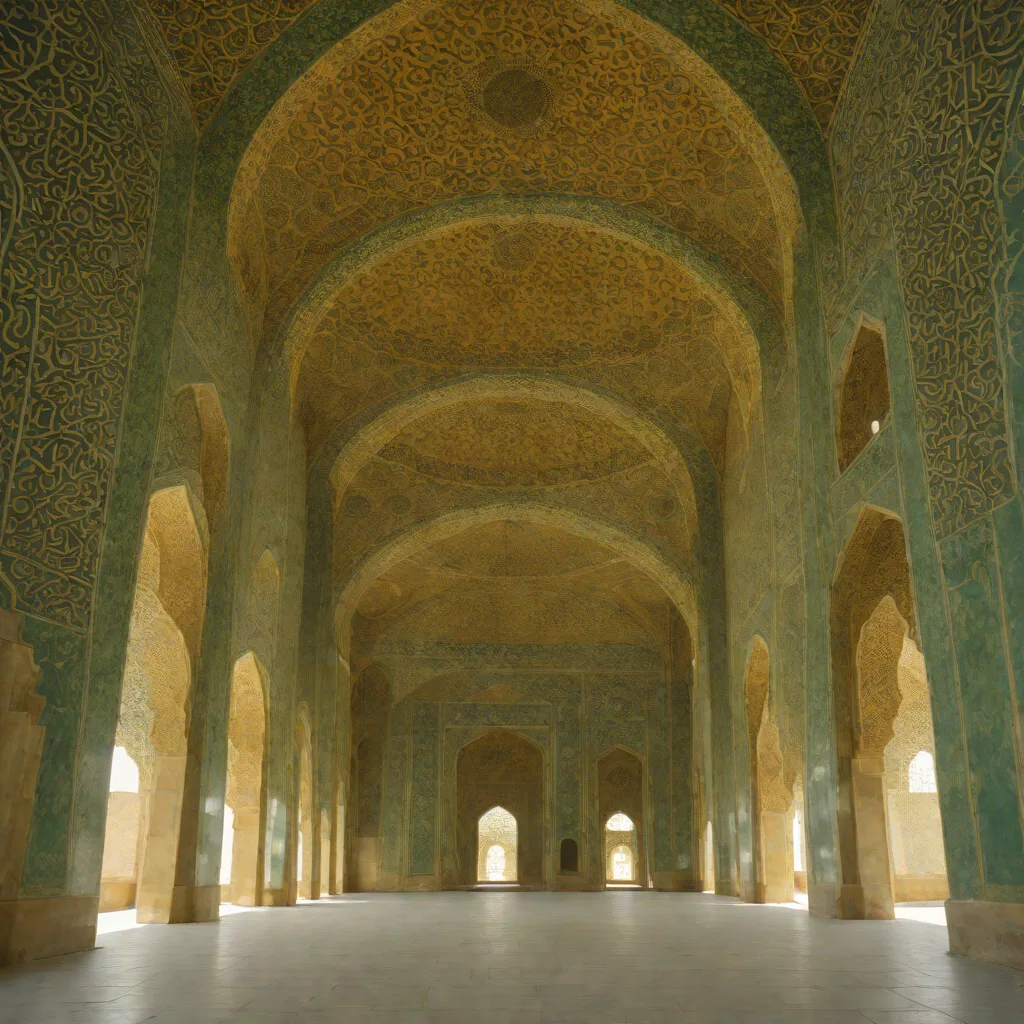
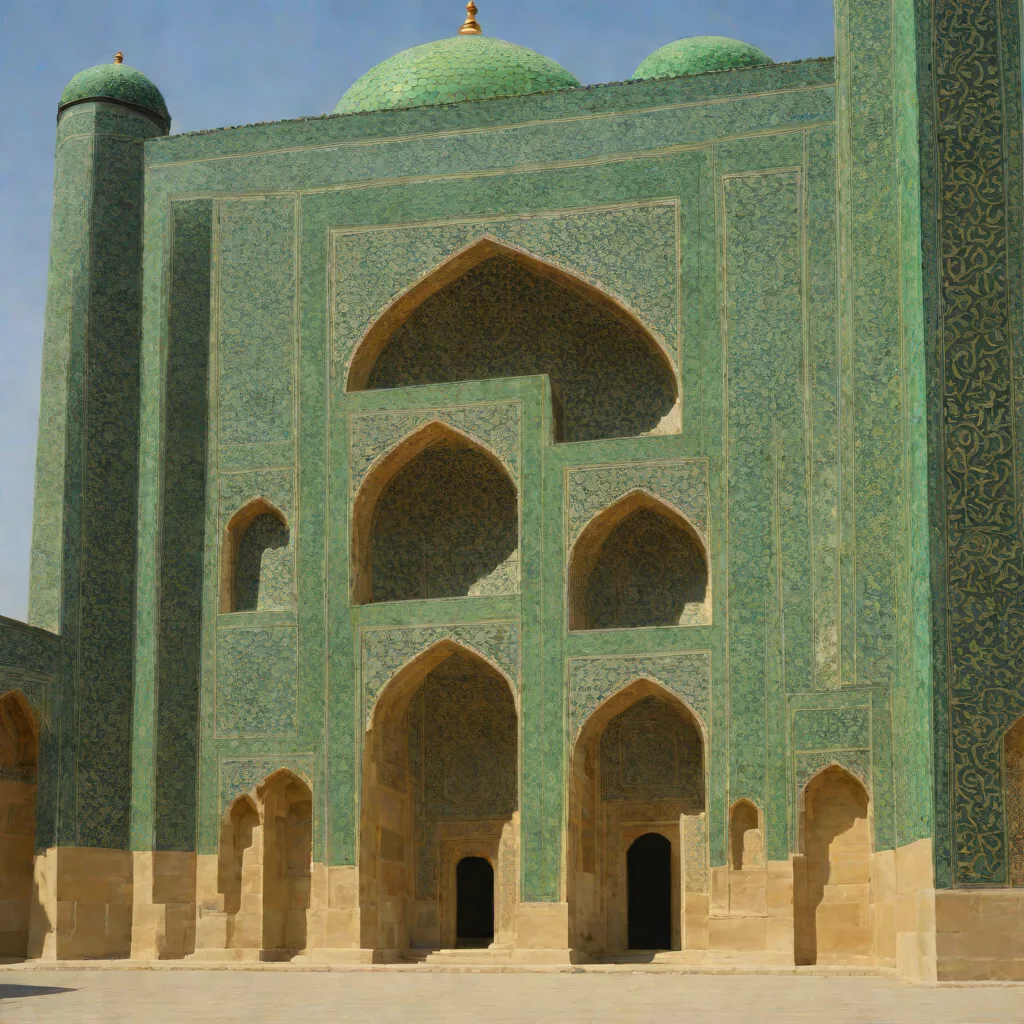
The Arab-Ata Mausoleum is an early Islamic funerary monument located in the village of Tim, near Samarkand, in Uzbekistan. Dated to 977 or 978 during the Samanid era, it is a rectangular structure built from baked brick. The building is highly distinguished by its elaborately carved stucco and brickwork, particularly around its prominent central portal archway. It is a critical monument for architectural historians studying the development of Islamic mausoleum designs in Central Asia.
help Arab-Ata Mausoleum FAQ
Where is the Arab-Ata Mausoleum located?
The Arab-Ata Mausoleum is located near the village of Tim in the Navoiy Region of Uzbekistan. It stands as an important, remote historical monument in the region.
When was the Arab-Ata Mausoleum built?
The mausoleum dates back to the 10th century, making it one of the earliest surviving Islamic monuments in Central Asia. An inscription on the structure notes its construction or restoration occurred around 977 AD.
What architectural style is the Arab-Ata Mausoleum?
The structure is highly noted for its early Islamic portal composition and intricate carved brickwork. It represents a significant transitional period in Central Asian architecture before the widespread adoption of glazed tilework.
Who is buried in the Arab-Ata Mausoleum?
Despite its name suggesting an Arab leader or "Ata" (father/ancestor), the exact identity of the individual buried inside the 10th-century tomb remains a mystery. The structure is most valued by historians for its architectural advancements rather than its occupant.
explore Explore More
Similar to Arab-Ata Mausoleum
See all arrow_forward


Reviews & Comments
Write a Review
Be the first to review
Share your thoughts with the community and help others make better decisions.