
description Leiurus hebraeus Overview
The Leiurus hebraeus, or deathstalker scorpion, is a species of Old World scorpion found primarily in Israel and other parts of the Middle East. It’s notable for possessing one of the most potent venom among scorpions, capable of causing severe pain and potentially life-threatening symptoms. This highly venomous predator poses a significant risk to humans and livestock within its habitat. Researchers studying scorpion venom and arachnids, as well as those interested in desert ecology and venomous animals, find this species particularly relevant.
help Leiurus hebraeus FAQ
How dangerous is a deathstalker scorpion sting to humans?
The deathstalker (Leiurus hebraeus) possesses venom loaded with potent neurotoxins, making it one of the most medically significant scorpion species in the world. While healthy adults usually survive, children and the elderly face serious risk of severe envenomation, including cardiovascular distress, respiratory difficulty, and in rare cases, death.
Where can Leiurus hebraeus be found in the wild?
Leiurus hebraeus is native to arid regions of the Middle East, with documented populations in Israel, Jordan, Syria, and parts of the Arabian Peninsula. It shelters under rocks and in burrows during the day and becomes active at night, increasing the risk of accidental encounters with humans.
What does the deathstalker scorpion look like?
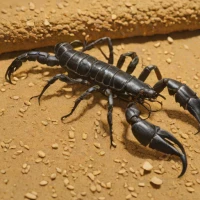
The deathstalker is a relatively small scorpion, typically measuring 7 to 10 centimeters (about 3 to 4 inches) in length. Its body is uniformly yellow to straw-colored, which provides effective camouflage against sandy and rocky desert terrain.
Can deathstalker scorpion venom be used in medical research?
Yes, a peptide called chlorotoxin, isolated from deathstalker venom, has been studied for its ability to bind selectively to glioma (brain tumor) cells. Researchers have developed fluorescently labeled chlorotoxin compounds that help surgeons visualize tumor tissue during brain cancer operations, improving the precision of tumor removal.
explore Explore More



Reviews & Comments
Write a Review
Be the first to review
Share your thoughts with the community and help others make better decisions.


