
description Melipona scutellaris Overview
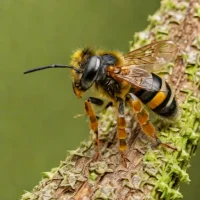
Melipona scutellaris is a species of stingless bee found within the Brazilian Atlantic Forest. It’s notable for producing unique honey valued for its medicinal properties due to specific floral sources and chemical composition. These bees are primarily cultivated by beekeepers seeking this specialized honey, contributing to local economies and biodiversity conservation efforts.
help Melipona scutellaris FAQ
Why is Melipona scutellaris called a stingless bee if it can still defend its nest?
Workers have a reduced sting that cannot function like the sting of a honey bee. Colonies can still defend themselves by biting, entangling hair, and targeting sensitive areas around an intruder's face.
Where does Melipona scutellaris naturally live?
The species, commonly called uruçu or uruçu-nordestina, is native to northeastern Brazil and is strongly associated with warm, humid forest environments. Its documented range includes areas from Rio Grande do Norte to Bahia.
How is uruçu honey different from ordinary honey-bee honey?
Melipona scutellaris stores honey in wax and resin pots rather than the familiar vertical comb of Apis mellifera. The resulting honey is generally more fluid, more acidic, and less conventionally sweet, with flavor strongly affected by local flowers.
Can Melipona scutellaris be kept in managed hives?
Yes. Brazilian meliponiculturists keep uruçu colonies in specialized boxes for honey production, conservation, and pollination. Management must account for the species' native climate, nest structure, food supply, and vulnerability to habitat loss.
explore Explore More



Reviews & Comments
Write a Review
Be the first to review
Share your thoughts with the community and help others make better decisions.


