
description Japanese silk moth Overview
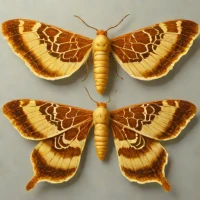
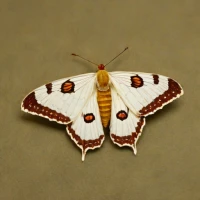
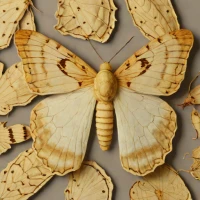
The Japanese silk moth (*Antheraea yamamai*) is a species of saturniid moth native to East Asia, primarily cultivated in Japan for the production of tensan silk. This wild silk is naturally pale green, highly durable, and has been harvested for centuries by rural communities for traditional textile weaving. The species is an important focus for entomologists studying sericulture, as well as for textile artisans who utilize the uniquely colored silk threads to differentiate their fabrics from standard domesticated silkworm products.
help Japanese silk moth FAQ
What is tensan silk, and how is it different from ordinary silk?
Tensan is the naturally pale-green wild silk produced from cocoons of the Japanese oak silkmoth, Antheraea yamamai. Ordinary commercial silk normally comes from the domesticated mulberry silkworm Bombyx mori and is usually white or cream.
What do Japanese silk moth caterpillars eat?
The larvae primarily eat oak leaves from trees in the genus Quercus. This oak-based diet is why Antheraea yamamai is also widely called the Japanese oak silkmoth.
Can an adult Japanese silk moth eat?
No, like other giant silkmoths in the family Saturniidae, the adult has reduced mouthparts and does not feed. It lives on energy accumulated during the caterpillar stage and focuses on mating and laying eggs.
Why is Japanese oak silk harder to produce than Bombyx mori silk?
Antheraea yamamai is less completely domesticated and depends on oak foliage rather than easily managed mulberry feed. Its cocoons produce a distinctive, durable fiber, but rearing and processing it is more specialized than conventional sericulture.
explore Explore More

Reviews & Comments
Write a Review
Be the first to review
Share your thoughts with the community and help others make better decisions.


