
description Popigai Overview
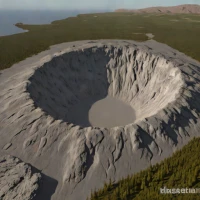
Popigai is a massive impact crater located in Siberia, Russia. Formed during the Eocene epoch approximately 35 million years ago, it’s one of Earth's largest and best-preserved impact structures. Its sheer size—over 10 kilometers across—makes it notable for geological research and studying ancient extraterrestrial impacts. Scientists study Popigai to understand planetary formation and the history of our solar system.
It is primarily of interest to geologists, planetary scientists, and researchers focused on impact cratering processes.
help Popigai FAQ
Where is the Popigai crater located?
The Popigai crater is located in the remote Siberian region of northern Russia, specifically within the Arctic Circle. It is situated near the Anabar River basin, isolated from major human settlements.
How large is the Popigai impact crater?
The crater is enormous, measuring approximately 100 kilometers (62 miles) in diameter, making it one of the largest confirmed impact structures on Earth. The sheer scale of the crater is only visible from high-altitude imagery.
When did the meteorite impact that formed Popigai occur?
The meteorite impact occurred during the Eocene epoch, roughly 35 million years ago. This cataclysmic event is believed to have caused significant global climate cooling due to the massive amount of debris thrown into the atmosphere.
Why is the Popigai crater famous for diamonds?
The impact created a massive deposit of "impact diamonds" by instantly vaporizing graphite deposits in the Earth's crust and transforming them into diamonds. Soviet scientists discovered this trove in the 1970s, estimating the crater contains trillions of carats of industrial-grade diamonds.
explore Explore More



Reviews & Comments
Write a Review
Be the first to review
Share your thoughts with the community and help others make better decisions.


